
- From
-
Published on
24.10.25
- Impact Area
-
Funders
German Society for International Cooperation (GIZ)
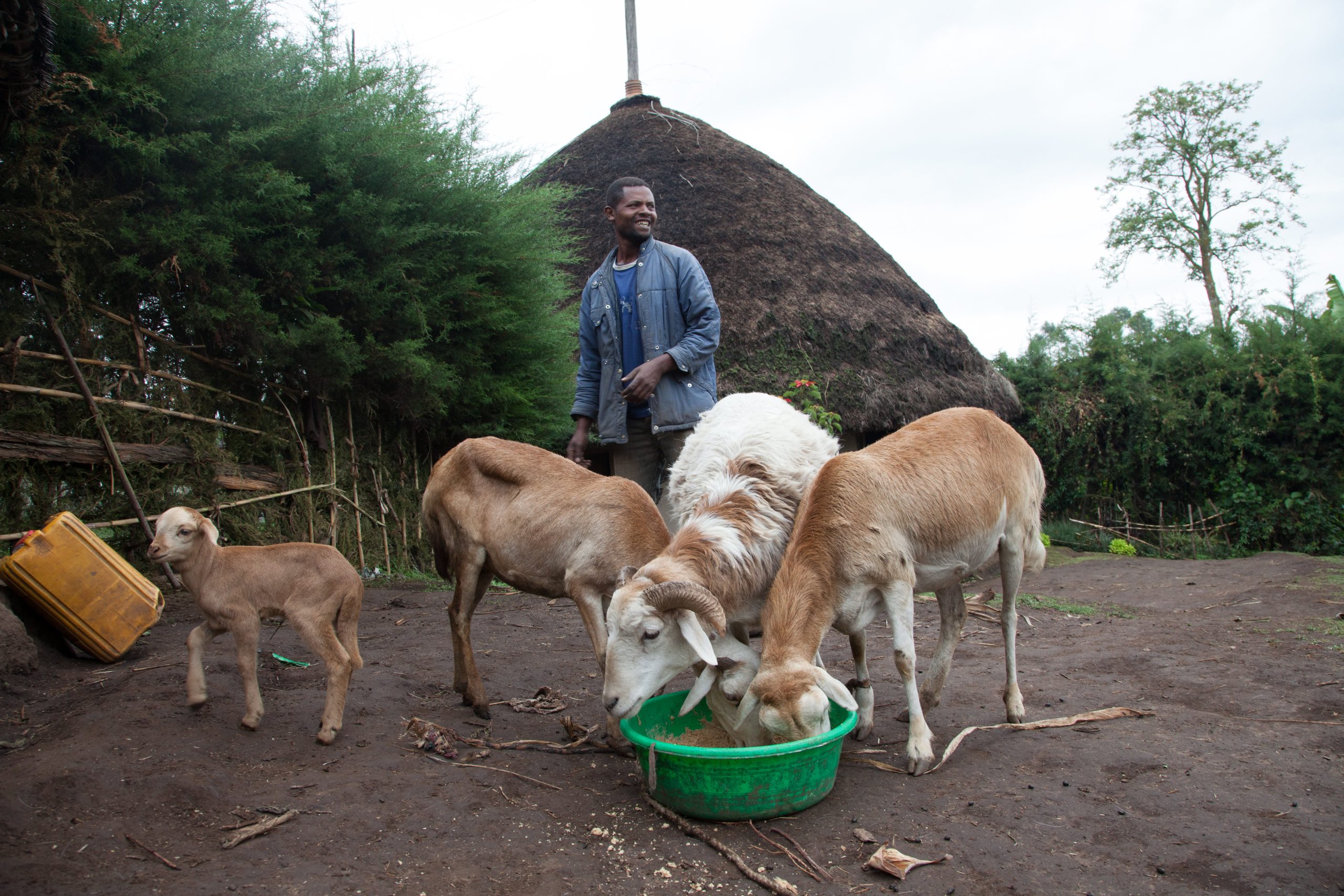
Scientists at the International Livestock Research Institute (ILRI) have published a new guideline on pioneer-positive deviance for the agricultural extension system in Ethiopia.
The document provides guidance on how to use approaches that look for solutions on the ground, rather than imposing them, and work with farmers in building on those in a genuine co-design process with equal collaboration of all.
This approach is based on positive deviance theory and identifies pioneer households for sustainable livestock solutions.
What is pioneer-positive deviance?
Pioneer-positive deviance is an approach developed by a team of scientists at ILRI to address issues of adaptation to climate change.
It is an evolution of the original concept of positive deviance originating in public health research.
It focuses on identifying and learning from individuals, groups, or households who find unique, successful solutions to common challenges despite having no additional resources or advantages.
By studying these “positive deviants”, communities can discover locally effective practices that can be adopted and scaled, making solutions more sustainable and tailored to specific needs.
Positive deviance has been used in areas like public health, education, and social change to solve complex problems from within the community.
This resource will be useful for development practitioners, extension workers, and educators in colleges and universities in Ethiopia.
Acknowledgements
The work was partly financed by the Deutsche Gesellschaft für Internationale Zusammenarbeit (GIZ) and conducted as part of the CGIAR Initiative on Livestock and Climate, the CGIAR Sustainable Animal and Aquatic Foods program and the CGIAR Climate Action program.
Citation
Habermann, B., Worku, T., Teshome, A. and Gebreyes, M. 2025. Pioneer-positive deviance: Applications for the agricultural extension system in Ethiopia — Guideline for practitioners. Nairobi, Kenya: ILRI.
Photo: A farmer feeds his sheep in Doyogena, Ethiopia (credit: ILRI/Zerihun Sewunet)
Curated by Tezira Lore, Communication Officer, ILRI
Related news
-
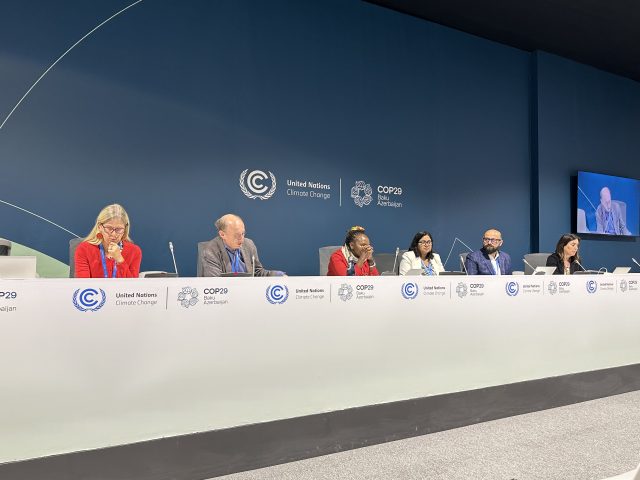
Why we show up at climate COPs: Bridging local reality with global ambition
04.11.25-
Adaptation
-
Climate adaptation & mitigation
-
Mitigation
By Ma. Eliza J. Villarino, Rhys Bucknall-Williams, Laura Cramer, and Chiara Colombo Every yea…
Read more -
-
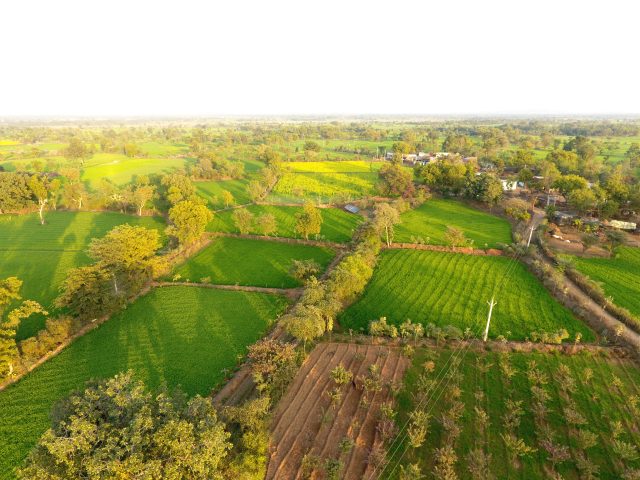
From Intervention to Transformation: How AKILIMO Continues to Shape Ogun State's Agricultural Future and Success
04.11.25-
Climate adaptation & mitigation
-
Environmental health & biodiversity
-
Food security
-
Gender equality, youth & social inclusion
When agricultural innovation endures beyond a project's lifespan, it symbolizes true transformation.…
Read more -
-
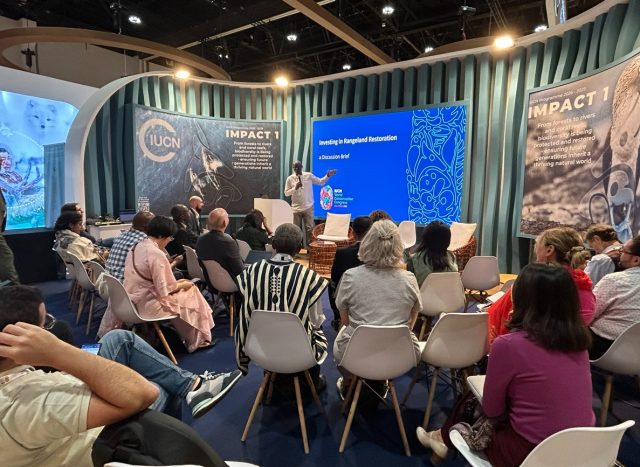
Launch of “The Business Case for Investment in Rangeland Restoration” at IUCN World Conservation Congress, Abu Dhabi
03.11.25-
Climate adaptation & mitigation
In October 2025, conservationists, policymakers and academics gathered in Abu Dhabi for IUCN’s Wor…
Read more -