Climate Action
We aim to drive science, innovation, and collaboration to transform food, land, and water systems for a climate-resilient, net-zero, and equitable future.
Through more resilient, low-emissions farms, landscapes, and aquatic systems, we will advance research across agri-food systems, directly benefitting 16 million vulnerable small-scale producers—up to 100 million farmers through our partnership—and other key value chain actors across 20 countries.

Our work aims to help with
- Reducing 1 gigaton of CO₂ by 2030
- Unlocking US$15 billion in climate finance
- We will inform 100 policies
- Helping 16 million smallholder farmers
Where we will work in
Bangladesh, Cambodia, Côte d’Ivoire, Ethiopia, Honduras, India, Kenya, Nepal, Nigeria, Pakistan, Philippines, Senegal, Sudan, Tanzania, Zambia, Zimbabwe
Challenges we’ll address
- Vulnerability of small-scale producers affected by accelerating climate change and extreme weather events
- Rising agri-food systems emissions which already contribute one-third of global greenhouse gas emissions
- Environmental degradation and geopolitical instability
Sign up for news and updates
Areas of Work
-
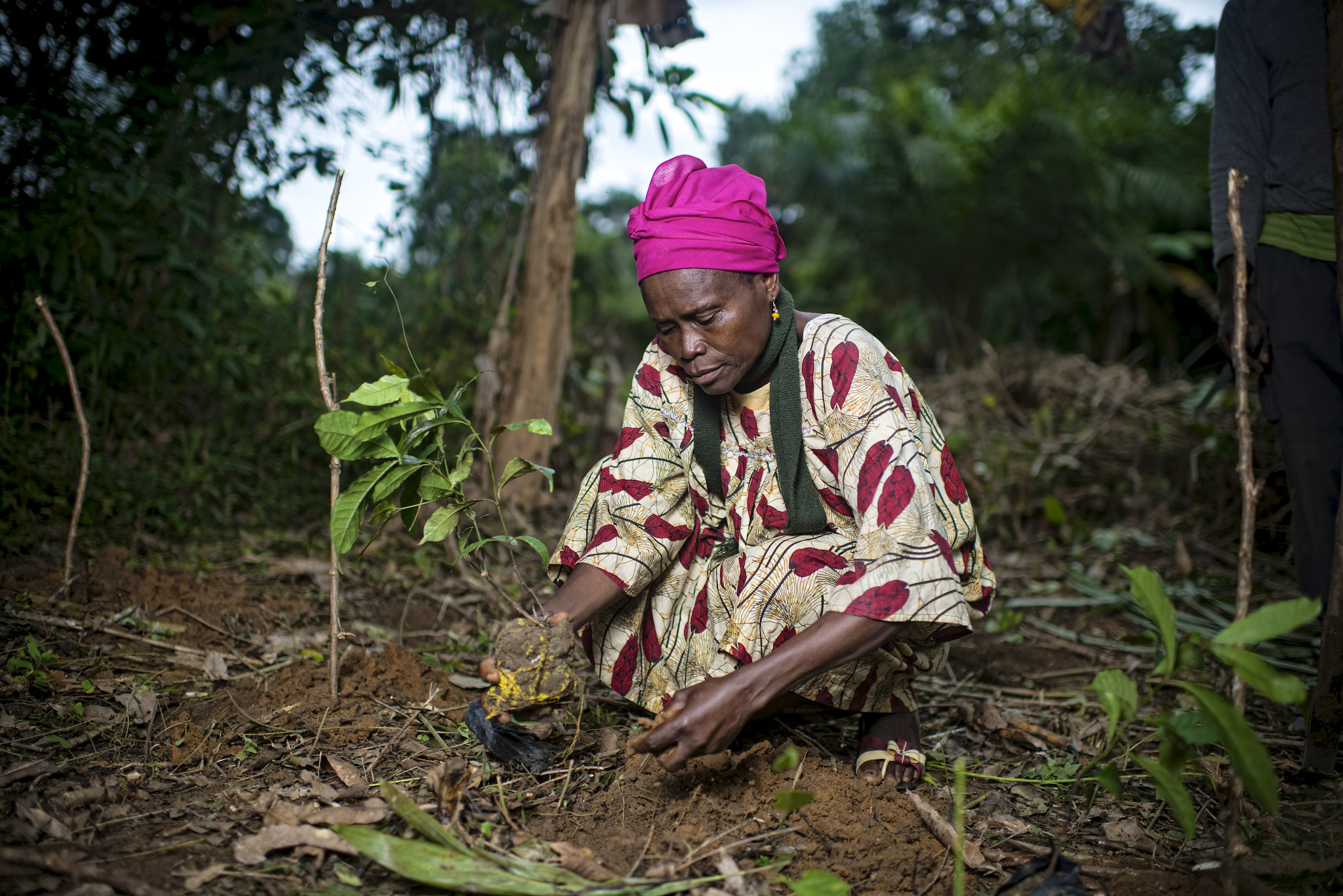 Prioritization and coordination of climate actionWe will strengthen coordination and collaboration on climate action across CGIAR through a front-desk function, as we mainstream a just transitions lens that informs strategies and theories of change. Additionally, we will produce, host, and disseminate climate analytics for prioritization, as well as synthesize and consolidate climate and FLW system research and action.
-
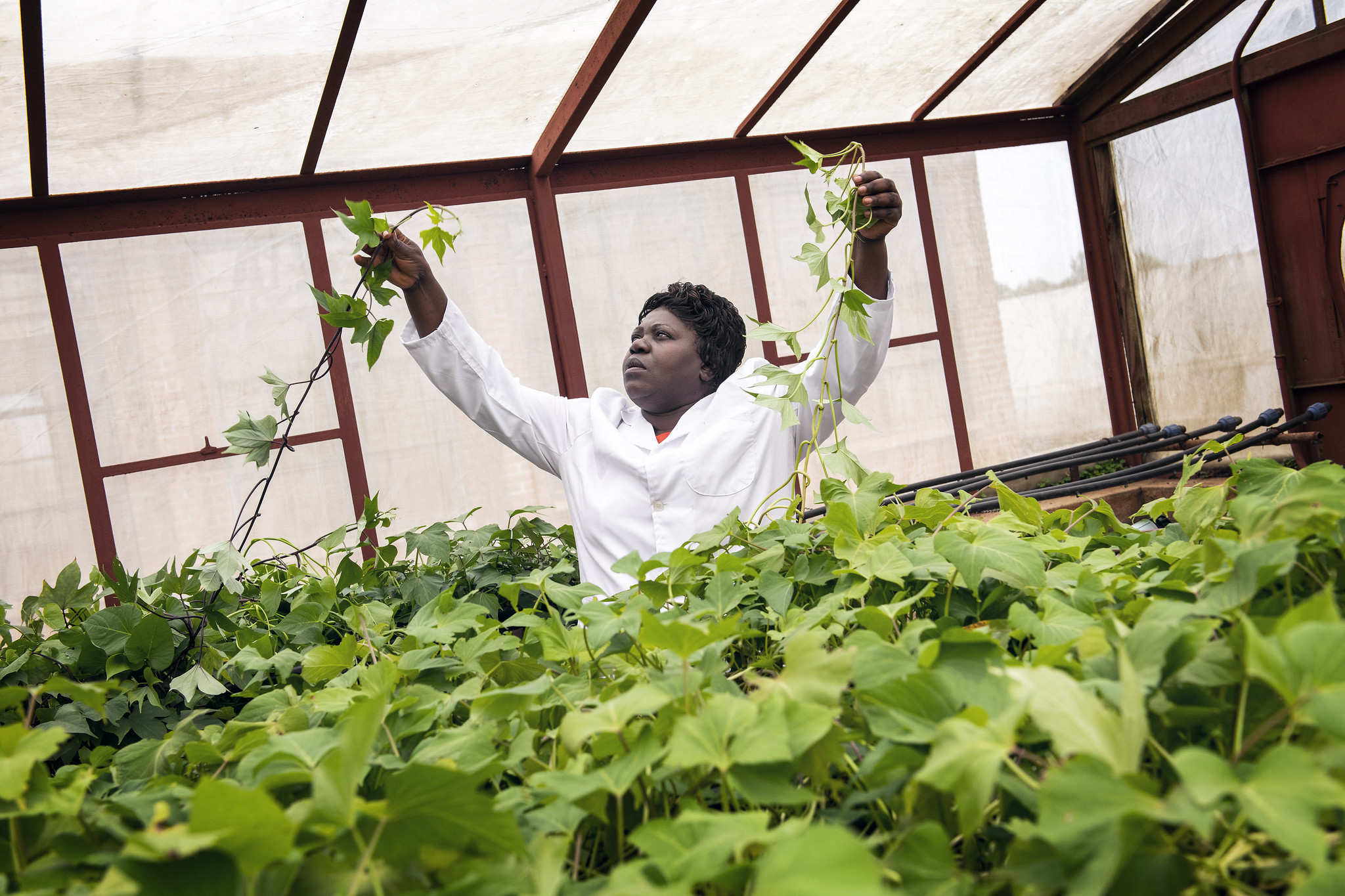 Digital advisories and climate risk managementWe will harness global, regional, and national capabilities in weather and climate forecasts and real-time monitoring through human-centered Climate Information Services and Early Warning Systems. This will address information asymmetries and gaps that currently hinder appropriate responses from farm to national levels.
 -
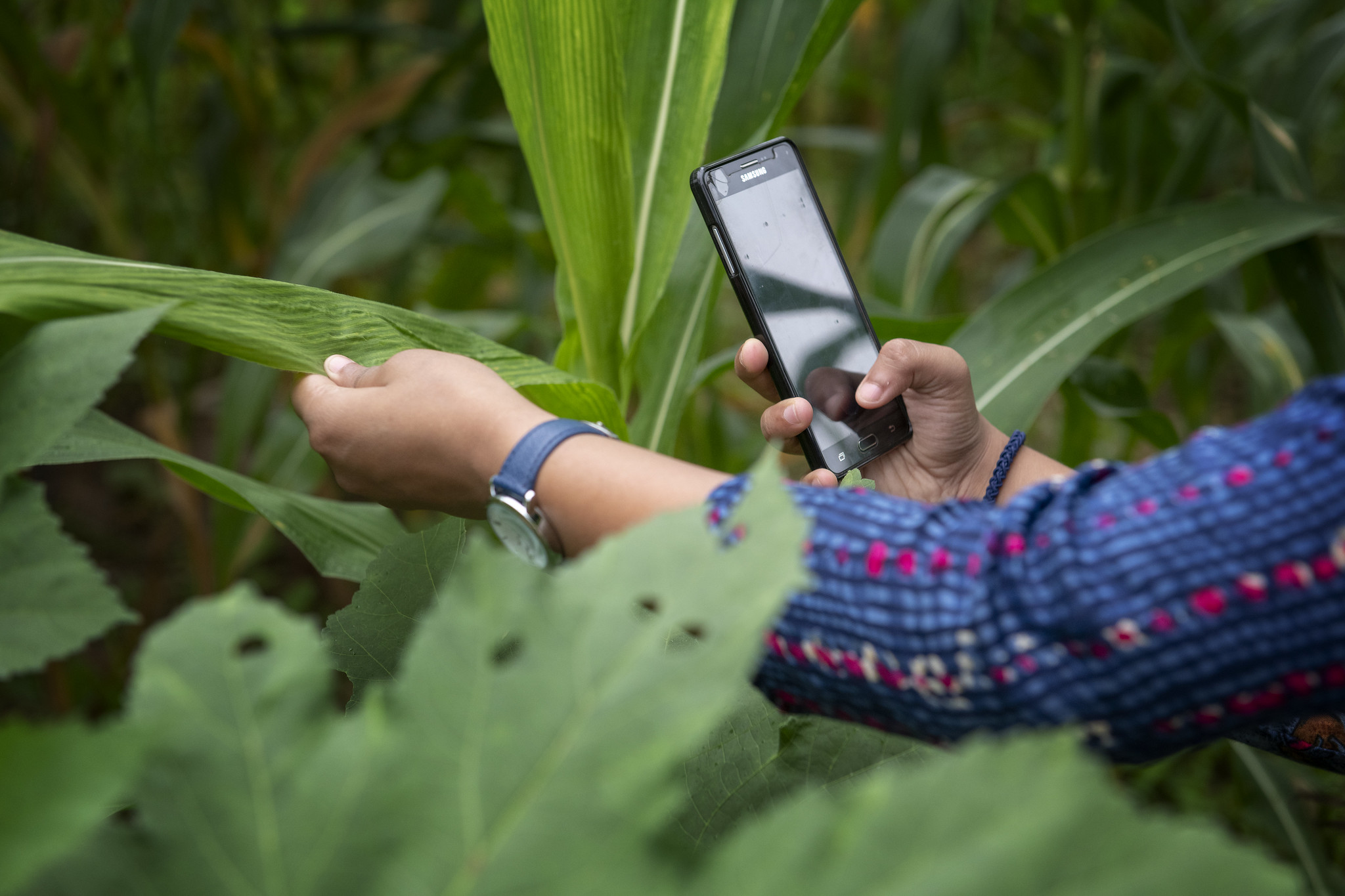 Locally led adaptationWe will support organizations’ climate adaptation action in developing mechanisms for financing locally led adaptation, building local stakeholders’ capacities to access funds, facilitating locally developed adaptation solutions and pathways, and integrating local priorities into national and global policy processes.
 -
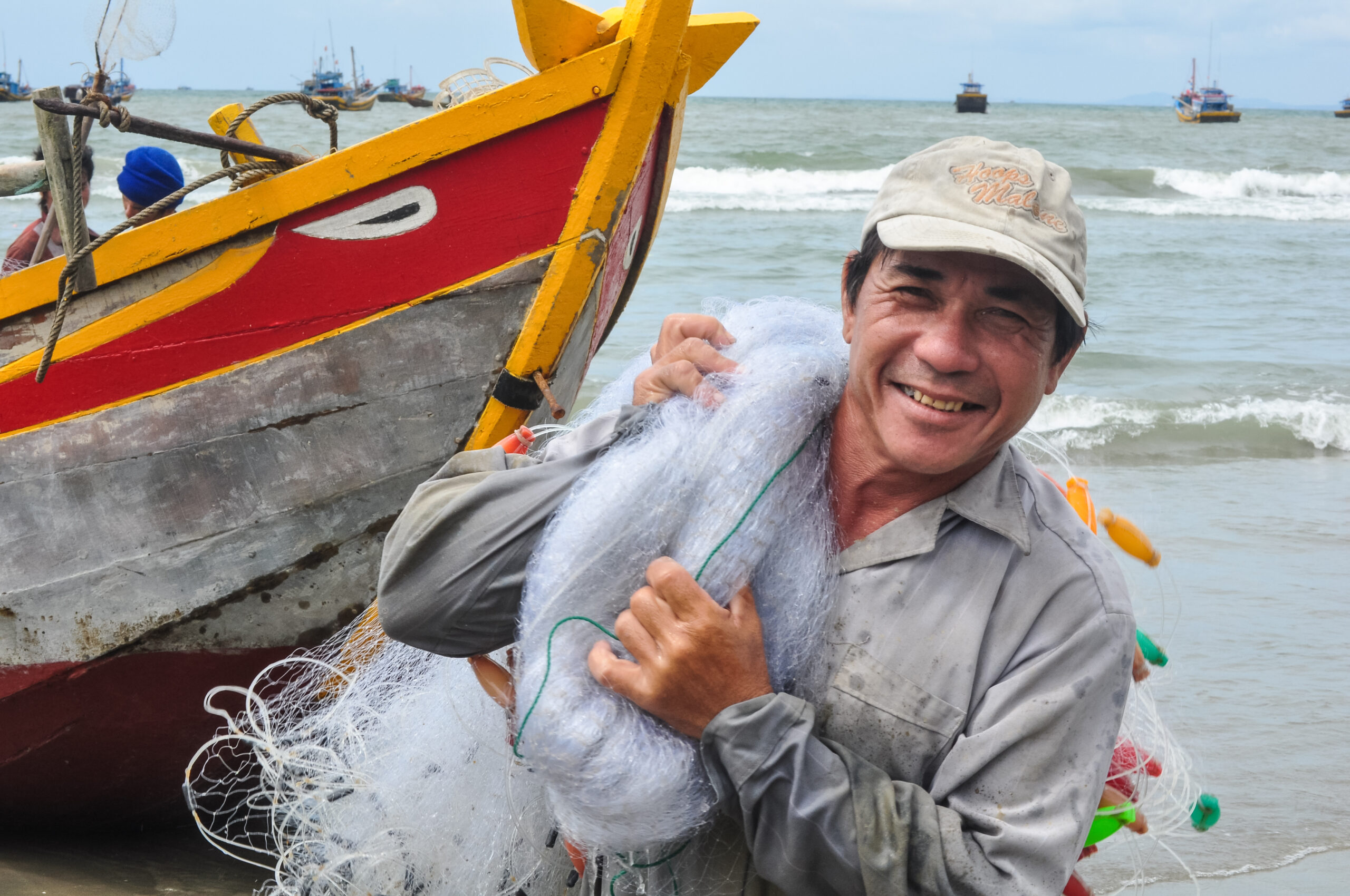 Low-emission transitionsTogether with partners, we will support the creation and implementation of low-emission development in at least 30 countries by enhancing carbon sequestration, decreasing current GHG emissions, and avoiding future emissions to achieve an overall GHG reduction of 1 gigaton CO2e by 2030 in 30 countries.
 -
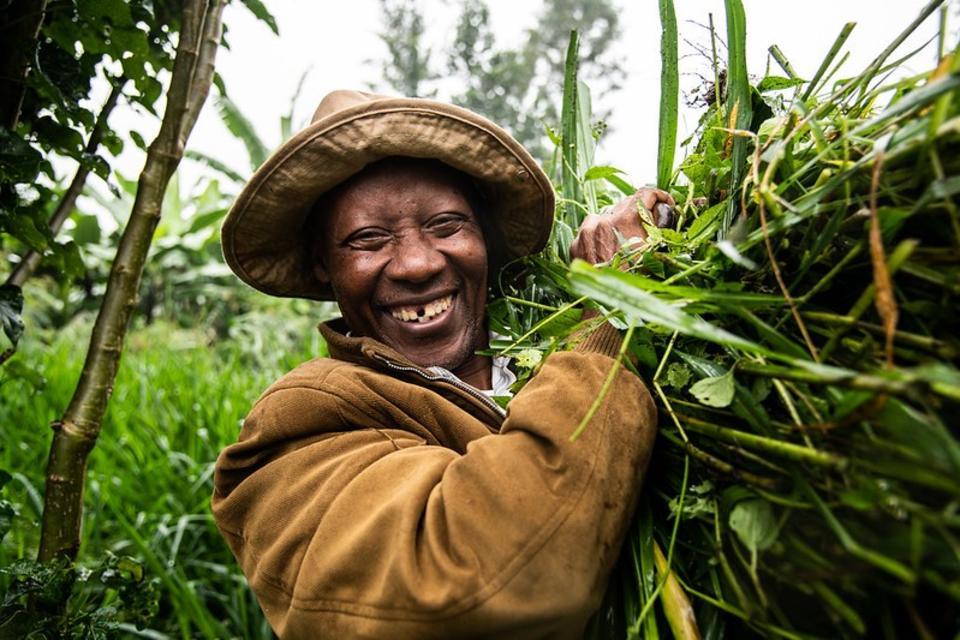 Finance and policy for scaling solutionsWe will support developing and reporting national climate policies and integrating climate considerations into sectoral policies. Additionally, we will provide insights to improve access to both public and private finance, including new financial instruments like the Loss and Damage Fund. Using translational science, we will translate complex data into decision-ready insights and tailored analytics for both policy and finance decisions while addressing data gaps.
Gender Equality & Social Inclusion
To meet global climate goals, it’s crucial to prioritize justice in food, land, and water systems, especially for women and marginalized communities who face greater climate impacts. Our work focuses on empowering these groups through fair climate resilience strategies, policy shifts, and community-driven solutions to support millions.
Our Approach
Interlinked support across CGIAR’s portfolio
We will closely work with the Better Diets & Nutrition, Breeding for Tomorrow, Food Frontiers & Security, Genebanks, Multifunctional Landscapes, Policy Innovations, Scaling for Impact, Sustainable Animal & Aquatic Foods, and Sustainable Farming programs, and the Capacity Sharing, Digital Transformation, Gender Equality & Social Inclusion accelerators.
Working to share our capacity with
- Farmers, pastoralists, fisherfolk, SMEs
- Policymakers and climate negotiators
- Scientists
Built on CGIAR’s proven expertise
- 20+ years of interdisciplinary climate research
- Deep-rooted partnerships with local and international agencies, national governments, and policymakers
- Global science-based solutions: actionable climate data and cutting-edge innovations tailored to local contexts
- Proven high return on investment in scalable, equitable, and justice-oriented climate solutions
- International influence through partnerships with advanced research institutions, think tanks, to shape and integrate international climate policies and processes
News
-
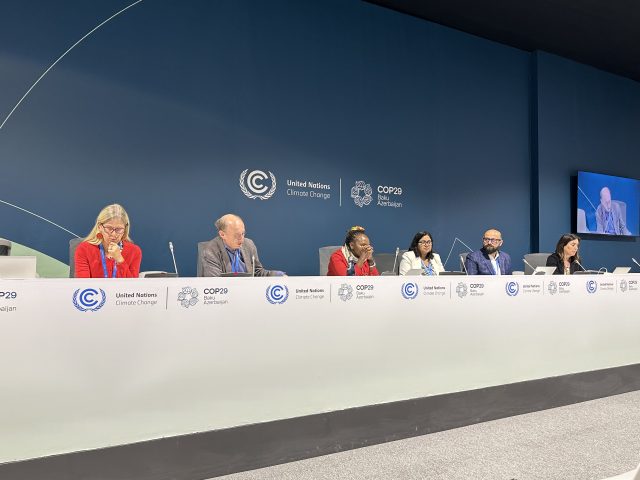
Why we show up at climate COPs: Bridging local reality with global ambition
04.11.25-
Adaptation
-
Climate adaptation & mitigation
-
Mitigation
By Ma. Eliza J. Villarino, Rhys Bucknall-Williams, Laura Cramer, and Chiara Colombo Every yea…
Read more -
-
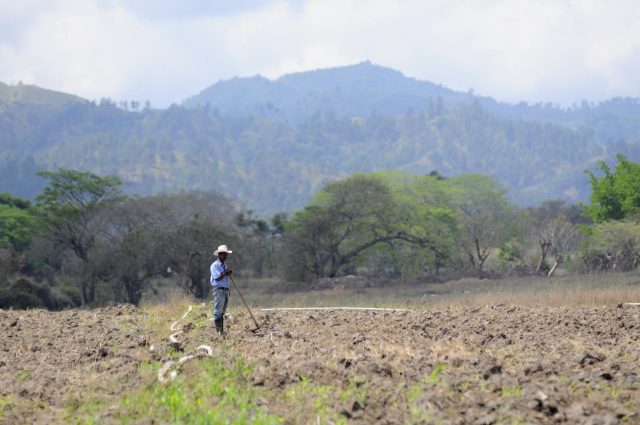
Law, War, and Warming: The New Frontiers of Climate Security
31.10.25-
Climate adaptation & mitigation
As 2025 draws to a close, the climate-security agenda feels less like a niche debate,…
Read more -
-

Rethinking Migration Through Public-Private Partnerships in the Mediterranean
31.10.25-
Climate adaptation & mitigation
At this year's MED – Mediterranean Dialogues in Naples, the Migration Forum which held on…
Read more -
-
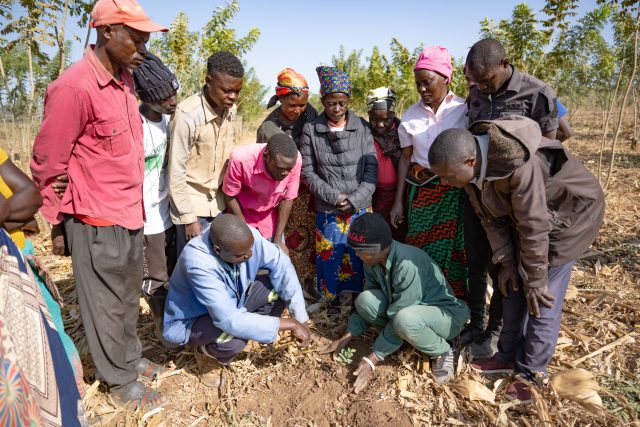
From Fields to Finance: Farmers and Businesses Unite to Scale Biosolutions for Soil Health
31.10.25-
Climate adaptation & mitigation
-
Mitigation
As the world looks toward COP30 in Belém, a new movement is taking root —…
Read more -
-
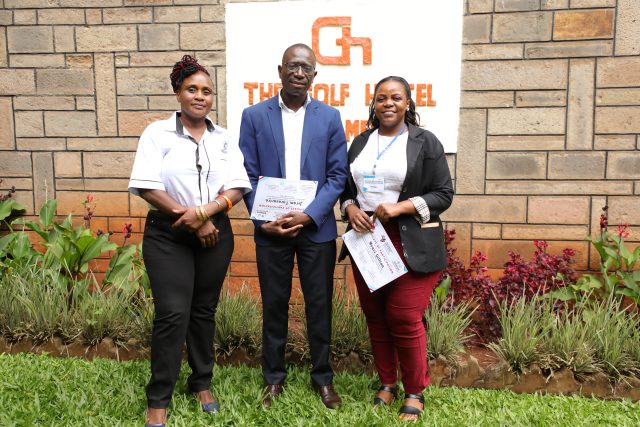
The Multiplier Effect of Mentorship in Policy-relevant Research
30.10.25-
Climate adaptation & mitigation
This is Part 2 of this blog series on Building Local Research Capacity through Time,…
Read more -
-
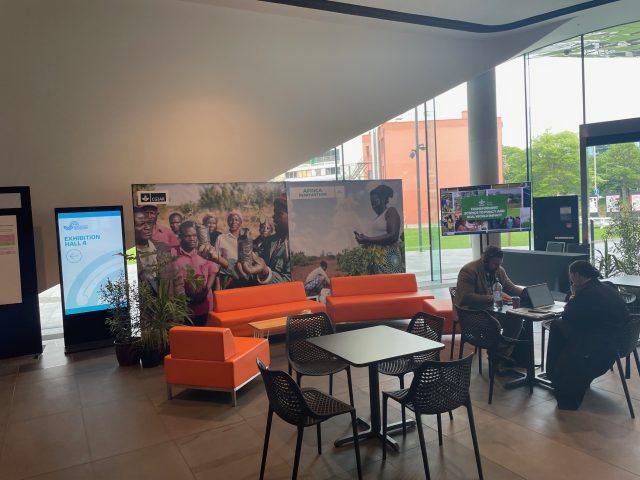
Adaptation Futures 2025: CGIAR’s Africa‑Focused Contributions and Takeaways.
30.10.25-
Adaptation
-
Climate adaptation & mitigation
-
Mitigation
The Global Imperative for Climate Adaptation Climate change is causing increasingly severe and wid…
Read more -