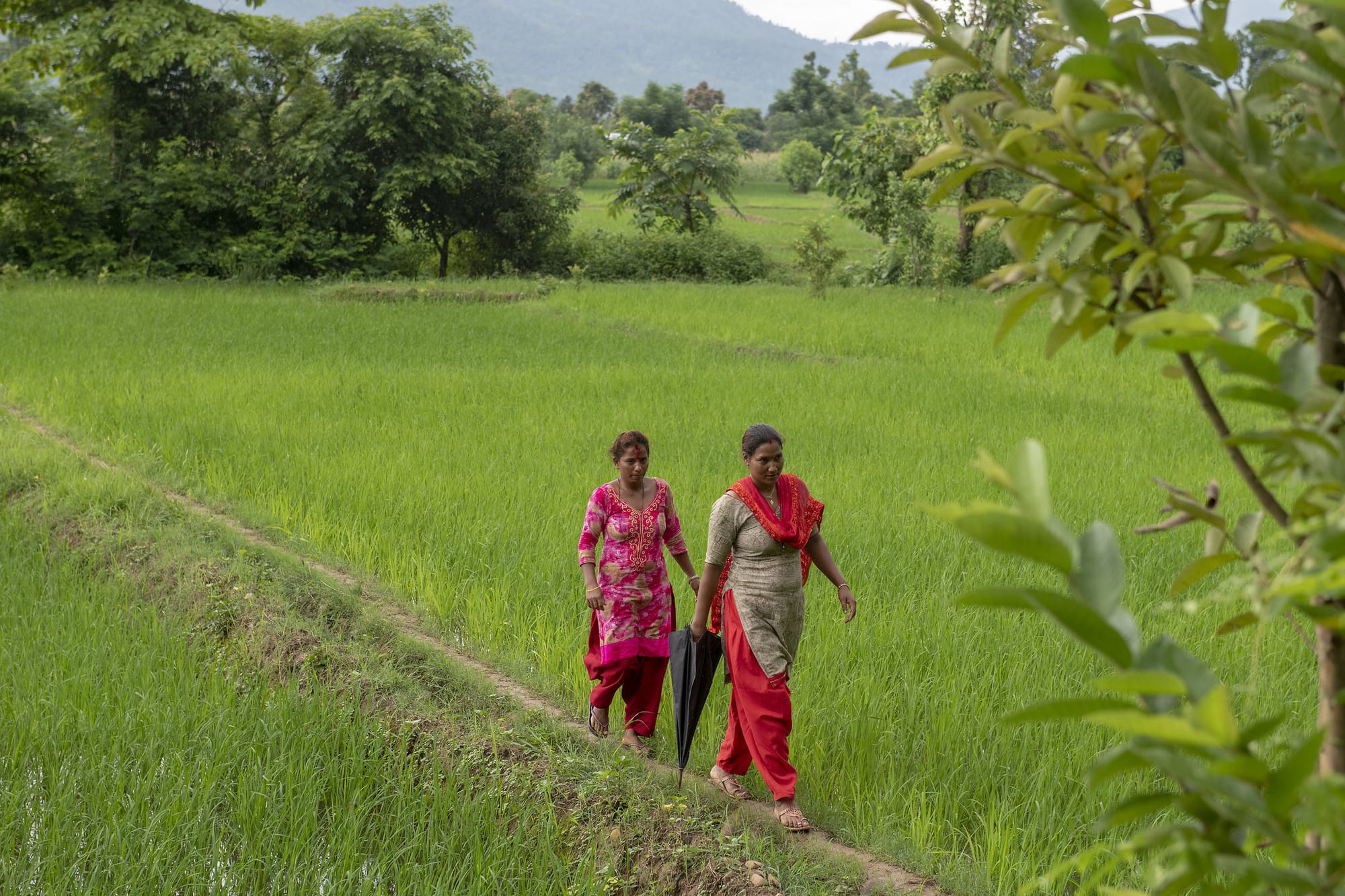
Challenge Food systems worldwide are falling far short of sustainability goals. Not only do they leave a global total of 820 million people undernourished, they also worsen social inequities and — at every stage from food production to consumption — contribute to biodiversity loss, water pollution and natural resource depletion. Moreover, food systems account for about a […]
The post Agroecology appeared first onCGIAR.
The post Agroecology appeared first on CGIAR.
]]>Food systems worldwide are falling far short of sustainability goals. Not only do they leave a global total of 820 million people undernourished, they also worsen social inequities and — at every stage from food production to consumption — contribute to biodiversity loss, water pollution and natural resource depletion. Moreover, food systems account for about a third of global greenhouse gas emissions.
A redesign of food systems is urgently needed to achieve ecological, economic and social sustainability. Agroecology is gaining prominence as key to this radical shift. Evidence demonstrates how agroecological approaches can contribute to the development of sustainable, resilient agriculture and food systems.
However, despite many appropriate agroecological solutions at farm level, mechanisms for scaling them to broader food, land and water systems are limited. Barriers include: a) insufficient evidence on what innovations work where, when and why for widespread implementation; b) insufficient integration of capacities and resources; c) lack of, or misaligned, policies, institutions and governance; and d) lack of financial mechanisms.
Objective
This Initiative aims to develop and scale agroecological innovations with small-scale farmers and other agricultural and food system actors across different socio-ecological contexts in seven low- and middle-income countries.
The post Agroecology appeared first on CGIAR.
]]>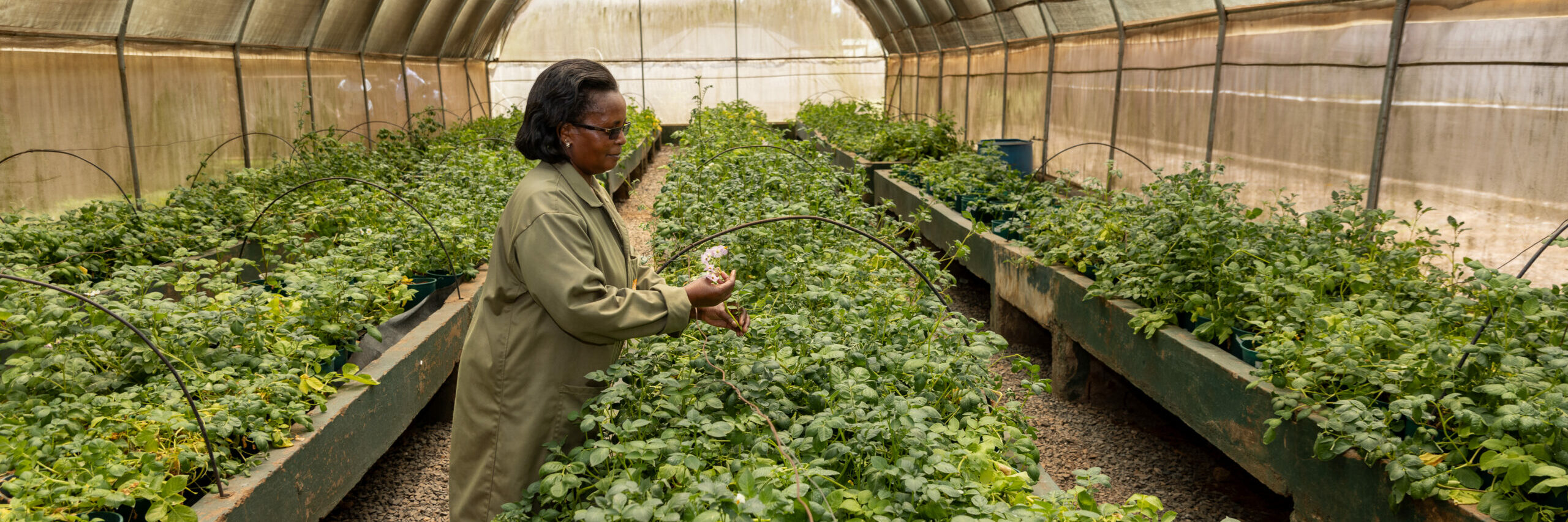
What is Crops to End Hunger? Crops to End Hunger (CtEH) is a CGIAR program to accelerate and modernize the development, delivery and widescale use of a steady stream of new crop varieties. These new varieties are developed to meet the food, nutrition and income needs of producers and consumers, respond to market demand and provide resilience to pests, diseases […]
The post Crops to End Hunger appeared first onCGIAR.
The post Crops to End Hunger appeared first on CGIAR.
]]>Crops to End Hunger (CtEH) is a CGIAR program to accelerate and modernize the development, delivery and widescale use of a steady stream of new crop varieties. These new varieties are developed to meet the food, nutrition and income needs of producers and consumers, respond to market demand and provide resilience to pests, diseases and new environmental challenges arising from climate change.
CGIAR’s plant breeding program has made major contributions to global food security since the mid 1960s, but there is evidence that the rate of adoption of new varieties has slowed. CtEH will support the acceleration of breeding cycles and application of modern breeding methods needed for both productivity gains and climate change adaptation. Farmers need varieties bred in and for the current climate, but are generally using varieties selected 20-30 years ago. In addition, many new varieties are insufficiently improved to induce farmers to adopt them. Prioritization of crops by specific geographies is based on projected benefits to poverty reduction and nutrition, and is an integral dimension of the modernization effort. Using market research, crop breeders gain greater awareness of the traits preferred by men and women farmers, consumers and others along the value chain, integrating them into “product profiles” that guide breeding. Delivery of varieties is done through integrated partnerships and linkages to seed systems in-country, in which national regulatory agencies take responsibility for the release of improved seeds, while public agencies, community organizations and private seed companies undertake multiplication, distribution and promotion to reach farmers’ fields.
In 2017-18, a multi-Funder group, including the United States Agency for International Development (USAID), the Bill & Melinda Gates Foundation (BMGF), the UK Department for International Development (DFID), the German Federal Ministry for Economic Cooperation and Development (BMZ) and the Australian Centre for International Agricultural Research (ACIAR), agreed to launch a modernization program for public plant breeding in lower-income countries. The CtEH program will invigorate breeding for the staple crops most important to smallholder farmers and poor consumers.
How does it work?
CtEH supports focused, science-based, well-resourced and long-term CGIAR Programs and investments in modern plant breeding on priority crops, which build on:
- CGIAR’s demonstrated impact on food security and poverty reduction through plant breeding;
- CGIAR’s comparative advantages in global public goods research on crop breeding and genetics;
- CGIAR’s central role and responsibility for the conservation and characterization of the world’s crop biodiversity, which is held in trust by CGIAR Research Centers for the world community.
This program aims to accelerate a transition in CGIAR crop breeding to address very different challenges from those faced in the Green Revolution. Twenty CGIAR crops, including cereals, legumes and root crops, have been chosen for this breeding program.
One part of this challenge is for breeding to modernize in terms of its objectives beyond pure yield gain – to address the expanding demand for improved varieties to meet biotic and abiotic stresses, such as climate change and environmental degradation, and to include a wider set of nutritional and market traits, as well as traits relevant to both end-users and value chains, which would increase the adoption rate of newly-bred varieties.
The first step towards modernization of breeding programs is to identify the gaps – the areas that need to be addressed or improved. The Breeding Program Assessment Tool (BPAT) has been developed for this purpose. The deployment of BPAT has been administered by the University of Queensland and has now been used to assess the breeding programs across CGIAR Research Centers. Examples of gaps include cross-CGIAR data management tools, access to low-cost genotyping, and sharing high-quality technical advice across programs and with partners.
What will result?
This process of improvement and modernization of CGIAR breeding programs will provide multiple benefits:
- For a given level of investment it is anticipated that each breeding program will achieve increased rates of genetic gain and scale of impact – through adoption of farmer-preferred, market-demanded, climate-resilient varieties.
- There will be further opportunity to integrate and support allied CGIAR crop programs, and to apply best practices across CGIAR Research Centers.
- A stronger partnership and closer cooperation with national breeding programs, including national research institutes, universities and small and medium-sized enterprises in the private sector in low-income countries, as well as multilateral seed companies and advanced research institutes.
- Adopting standardized ways of reporting needs, opportunities and progress will provide Funders with a transparent view of where and how they are getting high rates of return for their investment.
With this program, CGIAR will enhance its contributions to the Sustainable Development Goals towards 2030 through high-priority staple crops tailored for the specific needs of targeted regions and their populations.

The post Crops to End Hunger appeared first on CGIAR.
]]>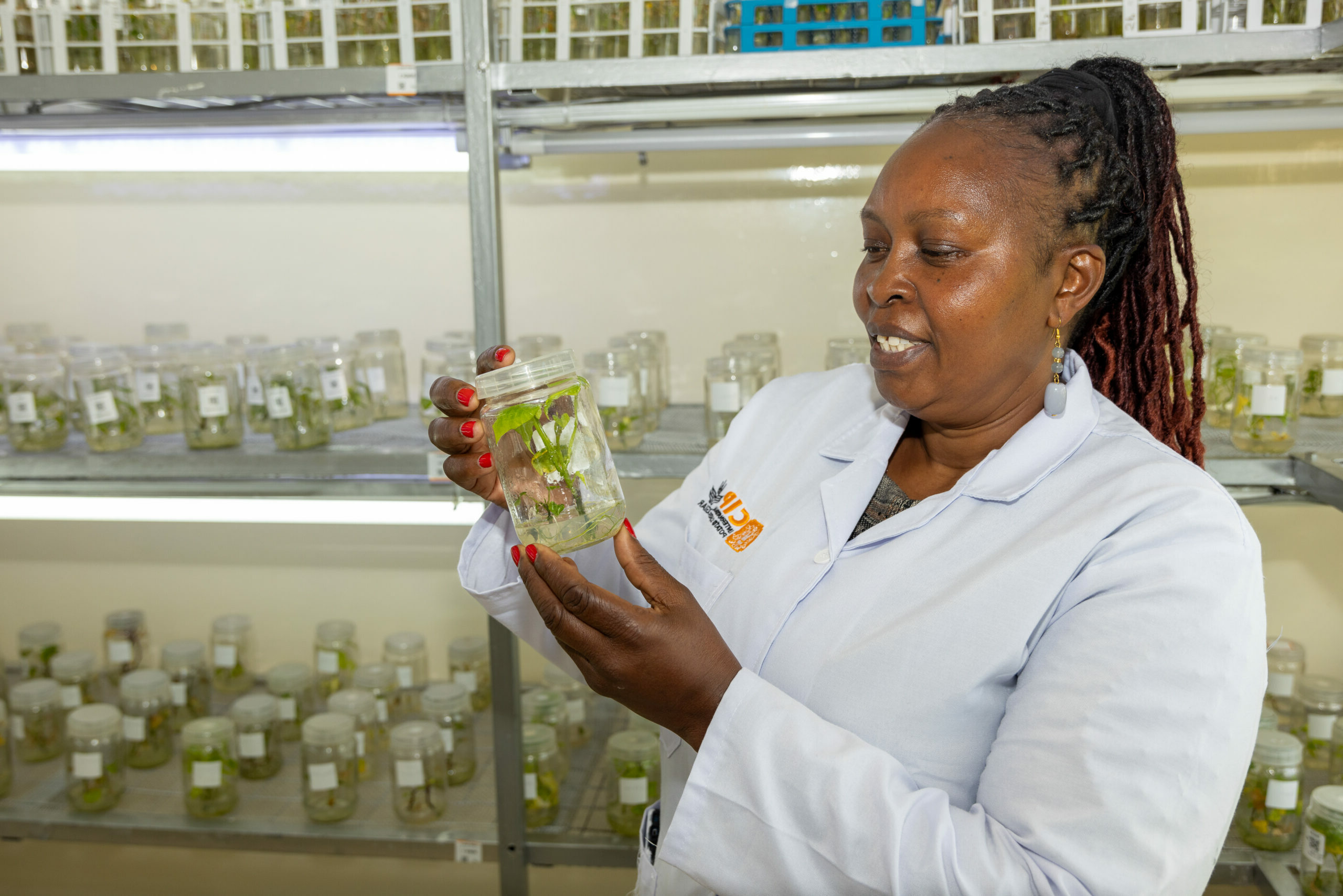
About us Breeding and Research Services (BRS), implemented by the CGIAR Breeding Resources Initiative, is a global service provider facilitating the development of better crop varieties worldwide. BRS offers streamlined, top-tier breeding services to CGIAR breeders, breeding programs, and esteemed partners like National Agricultural Research and Extensions Systems (NARES) and Sub-Regional Organizations. Our clientele is […]
The post Breeding Resources appeared first onCGIAR.
The post Breeding Resources appeared first on CGIAR.
]]>Breeding and Research Services (BRS), implemented by the CGIAR Breeding Resources Initiative, is a global service provider facilitating the development of better crop varieties worldwide. BRS offers streamlined, top-tier breeding services to CGIAR breeders, breeding programs, and esteemed partners like National Agricultural Research and Extensions Systems (NARES) and Sub-Regional Organizations. Our clientele is expanding and in the coming years, we will concentrate on broadening our reach and enhancing our service offerings.
In a nutshell

The post Breeding Resources appeared first on CGIAR.
]]>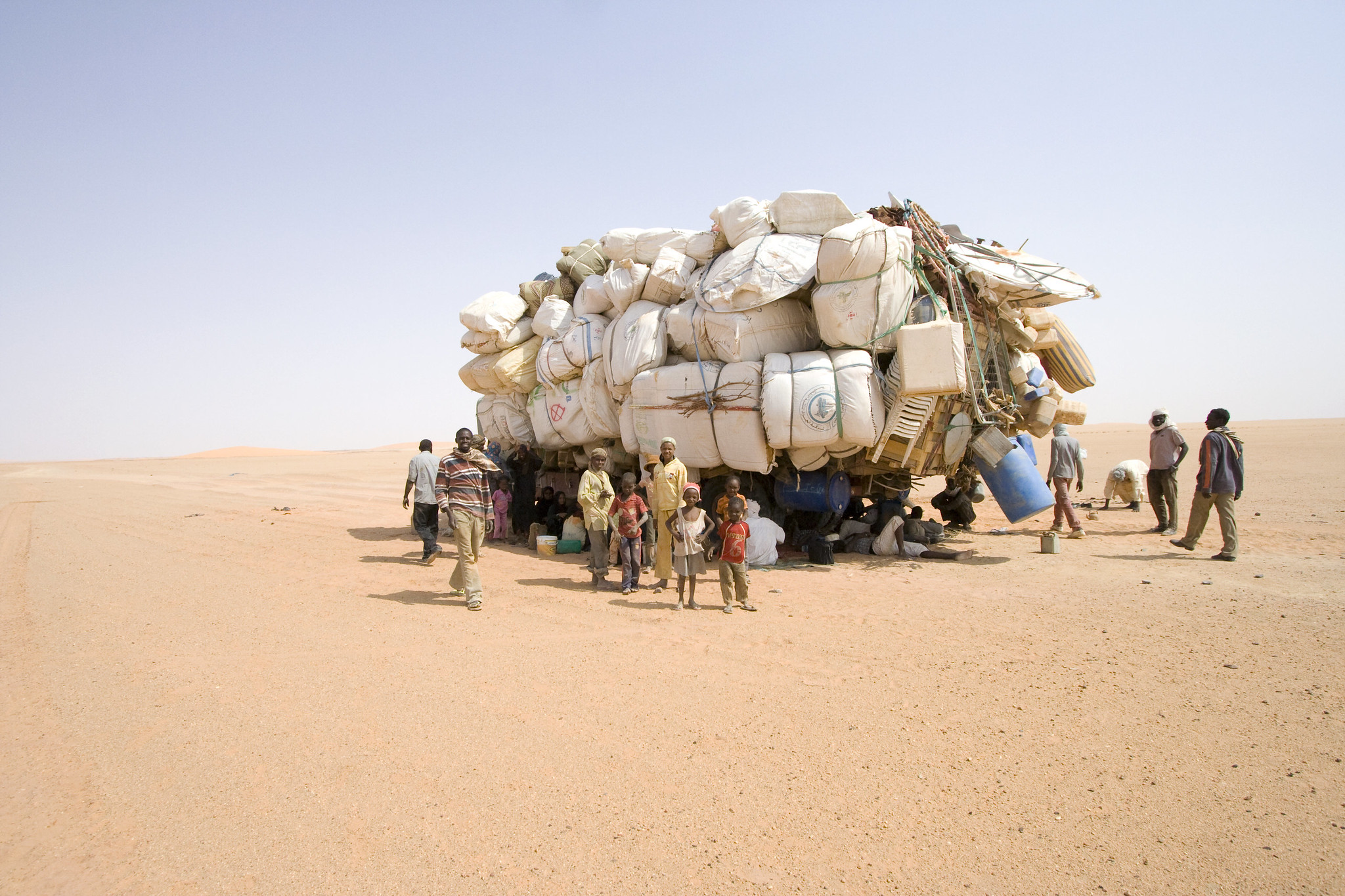
Challenge Hunger and severe malnutrition are surging in fragile and conflict-affected settings (FCASs), which often struggle to sustain resilient food, land, and water systems (FLWSs) in the face of the climate crisis. Some 1.5 billion people live in FCASs; they face significant livelihood challenges, compounded by climate change, unsustainable resource consumption, poor governance, weak social […]
The post Fragility, Conflict, and Migration appeared first onCGIAR.
The post Fragility, Conflict, and Migration appeared first on CGIAR.
]]>Hunger and severe malnutrition are surging in fragile and conflict-affected settings (FCASs), which often struggle to sustain resilient food, land, and water systems (FLWSs) in the face of the climate crisis. Some 1.5 billion people live in FCASs; they face significant livelihood challenges, compounded by climate change, unsustainable resource consumption, poor governance, weak social cohesion, and a lack of access to basic services. By 2030, an estimated two-thirds of the world’s extremely poor will live in FCASs. Conflict and forced migration often result from and further escalate the humanitarian and development challenges FCASs face. As of 2022, an alarming 103 million individuals globally were forcibly displaced, with 80% of them suffering from acute food insecurity and high levels of malnutrition. 83% of the world’s international refugees, many of whom have been displaced for years, even decades, are hosted by low and middle-income countries.
Objective
The CGIAR Research Initiative on Fragility, Conflict, and Migration aims to enhance the resilience of food, land, and water systems in fragile and conflict-affected settings, where migration-related challenges are prevalent. By taking a systems approach and working in partnership with local stakeholders, the Initiative seeks to generate evidence to inform effective policies and programs that promote social and gender equity, climate resilience, conflict mitigation, and peace building in these settings.
The post Fragility, Conflict, and Migration appeared first on CGIAR.
]]>
To view this page in English, click here. Desafío El objetivo de esta iniciativa es aumentar la resiliencia, sostenibilidad y competitividad de los sistemas y actores agroalimentarios en América Latina y el Caribe al aumentar su capacidad de respuesta a necesidades urgentes en materia de seguridad alimentaria, reducir los riesgos climáticos, estabilizar las comunidades […]
The post AgriLAC Resiliente (Español) appeared first onCGIAR.
The post AgriLAC Resiliente (Español) appeared first on CGIAR.
]]>To view this page in English, click here.
Desafío
El objetivo de esta iniciativa es aumentar la resiliencia, sostenibilidad y competitividad de los sistemas y actores agroalimentarios en América Latina y el Caribe al aumentar su capacidad de respuesta a necesidades urgentes en materia de seguridad alimentaria, reducir los riesgos climáticos, estabilizar las comunidades vulnerables al conflicto y reducir la emigración.
Objetivo
El objetivo de esta iniciativa es aumentar la resiliencia, sostenibilidad y competitividad de los sistemas y actores agroalimentarios en América Latina y el Caribe al aumentar su capacidad de respuesta a necesidades urgentes en materia de seguridad alimentaria, reducir los riesgos climáticos, estabilizar las comunidades vulnerables al conflicto y reducir la emigración.
Actividades
Este objetivo se logrará por medio de las siguientes actividades:
- El diseño de “mejores apuestas” socioecológicas y tecnológicas sensibles a la nutrición para operativizar la transición de los sistemas agroalimentarios locales hacia hojas de ruta nutricionales resilientes al cambio climático. Estas “apuestas” asegurarán que los actores locales tengan acceso y utilicen tecnologías adaptadas, resilientes al cambio climático y sensibles a la nutrición que se apoyan en la capacidad reforzada de los sistemas nacionales de extensión e investigación agrícola [national agricultural research extension systems] (NARES, por sus siglas en inglés).
- El establecimiento de sistemas de asesoría digitales e inclusivos para la gestión de los riesgos. Estos sistemas contribuirán a la consolidación de un ecosistema digital que fomentará la gestión de los riesgos climáticos y la intensificación sostenible de las cadenas de valor en Colombia, Guatemala, Honduras y México.
- El desarrollo de un sistema agroalimentario que cumpla los objetivos relativos al desarrollo sostenible y la mitigación del cambio climático. Se buscará la integración de las prioridades de desarrollo sostenible, inclusión social y de los marcos de actuación sensibles al género en los esfuerzos por mitigar el cambio climático, con el fin de construir un entorno propicio para invertir en el desarrollo de sistemas agroalimentarios de bajas emisiones.
- La creación de redes de InnovaHubs (centros de innovación) para el desarrollo y ampliación de escala de innovaciones agroalimentarias. Estas redes acelerarán el desarrollo, la transversalización y la comercialización temprana de herramientas, tecnologías y enfoques innovadores en la adopción de hojas de ruta hacia sistemas agroalimentarios sensibles al cambio climático.
- El fomento de políticas, inversiones e instituciones con base científica, a fin de apoyar la adopción de prácticas competitivas y resilientes al cambio climático para reducir la inseguridad alimentaria y la emigración, particularmente en el contexto de la crisis global actual.
Participación
Esta iniciativa se implementará en Colombia, El Salvador, Guatemala, Honduras, México, Nicaragua y el Perú.
Resultados
AGRILAC Resiliente se propone lograr los siguientes resultados en un período de 3 años:
- Co-diseño, junto con actores locales, de innovaciones sensibles a la nutrición que permitan que los sistemas agroalimentarios armonicen eficazmente los aspectos técnicos de los procesos de transición y las necesidades socioecológicas de al menos 200 000 agricultores en cuatro países de la región.
- Creación de un ecosistema digital que comprenda tres países de América Latina y el Caribe y que faculte a las asociaciones de productores, compañías agrotecnológicas, agencias gubernamentales, organizaciones no gubernamentales y servicios de extensión pública para que ofrezcan servicios de asesoría agropecuaria digital a al menos 200 000 agricultores.
- Diseño de estrategias de bajas emisiones transversales para ecosistemas agrícolas, paisajes y cadenas de valor que incluyan objetivos de desarrollo, que sean integradas por los gobiernos nacionales y locales, y que abarquen al menos 300 000 hectáreas y en tres países de América Latina y el Caribe.
- Los aprendizajes, la gestión del conocimiento y la evidencia generados en los centros de innovación aceleran la adopción y el escalamiento de innovaciones por parte de las explotaciones agrícolas de tal forma que dichas explotaciones sean más sensibles al género, propicias a la producción y adaptadas a sus contextos, alcanzando a al menos 200 000 agricultores en cuatro países de América Latina y el Caribe.
- Las instituciones públicas y privadas de tres países de América Latina y el Caribe integran la ciencia, la evidencia y las herramientas desarrolladas por el CGIAR con el fin de orientar y diseñar políticas, incentivos e iniciativas más transformadoras, sostenibles, integrales y favorables a la mitigación y adaptación al cambio climático.
Impacto
Los impactos y beneficios proyectados incluyen:
 |
NUTRITION, HEALTH & FOOD SECURITY
Se reconfiguran los sistemas alimentarios locales y regionales a fin de asegurar el acceso a dietas nutritivas para las poblaciones rurales y urbanas, producir canastas básicas de alimentos equilibradas y garantizar la seguridad alimentaria, alcanzando a al menos 8 millones de personas en toda la región para 2030. |
 |
POVERTY REDUCTION, LIVELIHOODS & JOBS
Las innovaciones del CGIAR que se diseñan y prueban de manera conjunta aumentan los ingresos de los agricultores, empoderan a las mujeres y fortalecen las capacidades de los jóvenes, facilitando el acceso a alimentos diversificados y nutritivos y alcanzando a 8 millones de personas en toda la región para 2030. |
 |
GENDER EQUALITY, YOUTH & SOCIAL INCLUSION
Las y los pequeños agricultores de todas las edades desempeñan un papel importante como comisarios de los datos e intérpretes de las herramientas de apoyo a la toma de decisiones en comunidades rurales. Los jóvenes proporcionan apoyo técnico a la supervisión en el terreno y la recogida de datos. Los resultados son sensibles al género y se fundamentan en la participación activa para comprender los principales desafíos y oportunidades de las mujeres, alcanzando a 2,5 millones de mujeres en toda la región para 2030. |
 |
CLIMATE ADAPTATION & MITIGATION
Las políticas climáticas y las inversiones orientadas por la investigación del CGIAR, así como el acceso de los agricultores a información más exacta, adaptada y oportuna a través de las innovaciones del CGIAR, benefician a al menos 8 millones de personas en toda la región para 2030. |
 |
ENVIRONMENTAL HEALTH & BIODIVERSITY
La promoción y adopción de prácticas inteligentes relativas al clima, el agua y los nutrientes refuerzan los paisajes multifuncionales y facilitan la integración de los sistemas de cultivos, árboles y ganado, con un enfoque en la sostenibilidad de la agricultura en el contexto del cambio climático y otros factores agravantes, mejorando la gestión de 19 millones de hectáreas de tierra. |
La proyección de beneficios representa una forma de ilustrar la gama de impactos que pueden surgir a raíz de las hojas de ruta de impacto establecidas en las teorías de cambio de la iniciativa. Según la Estrategia de Investigación e Innovación 2030 [2030 Research and Innovation Strategy], las iniciativas del CGIAR contribuyen a estas hojas de ruta de impacto en colaboración con otros socios y colaboradores. Es decir, el CGIAR no genera impactos por sí solo. Estas proyecciones, por lo tanto, son estimaciones de los posibles niveles de impacto a los cuales el CGIAR contribuye de manera conjunta con otros socios. No son estimaciones de la contribución específica del CGIAR a las distintas hojas de ruta de impacto.
Pie de foto: Cosecha de café en el Cauca, en la región suroccidental de Colombia. Foto de N. Palmer/CIAT.
The post AgriLAC Resiliente (Español) appeared first on CGIAR.
]]>
Challenge Poor diets are a primary cause of malnutrition and the leading cause of diseases worldwide. Improving diets, including increasing fruit and vegetable intake, could save one in five lives lost annually. Micronutrients and dietary fiber are essential for health, and micronutrients obtained from fruit and vegetables have a lower environmental footprint than from other […]
The post Fruit and Vegetables for Sustainable Healthy Diets (FRESH) appeared first onCGIAR.
The post Fruit and Vegetables for Sustainable Healthy Diets (FRESH) appeared first on CGIAR.
]]>Poor diets are a primary cause of malnutrition and the leading cause of diseases worldwide. Improving diets, including increasing fruit and vegetable intake, could save one in five lives lost annually. Micronutrients and dietary fiber are essential for health, and micronutrients obtained from fruit and vegetables have a lower environmental footprint than from other foods, making fruit and vegetables essential to healthy and sustainable diets. Globally, fruit and vegetable intake is far below recommended levels. However, the extent and nature of the problem is poorly understood due to insufficient dietary data, especially in low- and middle-income countries.
Increasing fruit and vegetable intake will require starting with consumers, understanding dietary patterns and addressing barriers to desirability, accessibility, affordability and availability through cost-effective solutions. Solutions must take a holistic end-to-end approach that starts from intake and works back through the food system to improve accessibility and increase year-round supply of a diverse range of safe, affordable, nutrient-dense fruit and vegetables.
Objective
This Initiative aims to use an end-to-end approach to increase fruit and vegetable intake and in turn improve diet quality, nutrition and health outcomes while also improving livelihoods, empowering women and youth and mitigating negative environmental impacts.
The post Fruit and Vegetables for Sustainable Healthy Diets (FRESH) appeared first on CGIAR.
]]>
Challenge The urgent need for accelerated climate mitigation and low-emission development has never been clearer. While food systems provide critical food and nutritional security, meaningful livelihoods and socioeconomic benefits, they are also key contributors to climate change, soil degradation, freshwater depletion and biodiversity loss. The lack of research, data and understanding of systems interactions hinders […]
The post Low-Emission Food Systems appeared first onCGIAR.
The post Low-Emission Food Systems appeared first on CGIAR.
]]>The urgent need for accelerated climate mitigation and low-emission development has never been clearer. While food systems provide critical food and nutritional security, meaningful livelihoods and socioeconomic benefits, they are also key contributors to climate change, soil degradation, freshwater depletion and biodiversity loss. The lack of research, data and understanding of systems interactions hinders an effective transformation toward low-emission food systems.
In order to foster low-emission development in line with the Paris Agreement without compromising food and nutrition security and livelihoods, it is vital that the knowledge, information and tools required for evidence-based decision-making are available to civil society and multilateral, governmental, academic and private-sector actors that reflect the context of target countries.
Objective
This Initiative aims to reduce annual global food systems emissions by 7% by 2030 by working closely with key actors in the target countries to ensure they are equipped to make evidence-based decisions and address challenges in food systems discourse, policy development and implementation to reduce greenhouse gas emissions.
Activities
This objective will be achieved through:
- Planning a strategy for food systems transformation by supporting national stakeholders in defining the priorities, scope and goals for low-emission, climate-resilient food systems development through co-developing and testing a Food Systems Climate Intervention Planning (FOODCLIP) framework.
The post Low-Emission Food Systems appeared first on CGIAR.
]]>
Challenge Food systems are not providing sustainable healthy diets for everyone, everywhere. Healthy diets are unaffordable for 3 billion people, and poor quality diets are associated with all forms of malnutrition and 11 million premature adult deaths each year. Diets are rapidly evolving due to changes in income, women’s employment, and urbanization and developments in […]
The post Sustainable Healthy Diets appeared first onCGIAR.
The post Sustainable Healthy Diets appeared first on CGIAR.
]]>Food systems are not providing sustainable healthy diets for everyone, everywhere. Healthy diets are unaffordable for 3 billion people, and poor quality diets are associated with all forms of malnutrition and 11 million premature adult deaths each year.
Diets are rapidly evolving due to changes in income, women’s employment, and urbanization and developments in technology, food marketing and public policy. These changes, happening in urban and rural areas, contribute to shifts in food environments, which are increasingly promoting ready-to-eat, convenient, cheap and often ultra-processed foods associated with poor health.
Objective
This is the only CGIAR Initiative with the main goal of ensuring sustainable healthy diets for all through food systems transformation. Starting from an innovative, consumer-focused perspective, this Initiative aims to identify effective policy options through research; strengthen capacity; and develop robust metrics and tools that support stakeholders’ decisions when developing pathways to transform food systems toward sustainable healthy diets, improved livelihoods, gender equity, and social inclusion.
The post Sustainable Healthy Diets appeared first on CGIAR.
]]>
Challenge We all depend on food for our well-being. Agricultural productivity has steadily grown in recent decades and technological and institutional innovations have proliferated within agrifood markets and value chains to help reduce poverty and global food insecurity. However, the agrifood sector’s overuse and misuse of natural resources has degraded the environment and exacerbated the […]
The post Rethinking Food Markets appeared first onCGIAR.
The post Rethinking Food Markets appeared first on CGIAR.
]]>We all depend on food for our well-being. Agricultural productivity has steadily grown in recent decades and technological and institutional innovations have proliferated within agrifood markets and value chains to help reduce poverty and global food insecurity. However, the agrifood sector’s overuse and misuse of natural resources has degraded the environment and exacerbated the climate crisis and biodiversity loss. Many of the world’s poor—women and youth in particular—depend on the food system for their livelihoods (income or employment), however most jobs and livelihood in the sector are low quality and poorly paid.
Due to still widespread poverty, exacerbated by the COVID-19 outbreak and the war in Ukraine, at least 3 billion people globally cannot afford nutritious diets. These populations have been unable to benefit from expanding food markets. Many of these failures are rooted in markets hindered by multiple deficiencies facing smallholders and other small-scale producers, traders and processors, including poor infrastructure and market access, lack of quality standards, weak value chain integration, poor access to finance and improved technologies, and policy support failing to foster sustainability and healthy diets.
Objective
The Rethinking Food Markets Initiative aims to identify the multiple obstacles to improving smallholder and medium- and small-sized enterprises (MSME)’s returns to participation in higher value food value chains and to adopting sustainable practices. After having conducted scoping analyses of prevailing constraints and the potential and options for better market functioningan obstacles assessment, the initiative is engaging with stakeholders towill identify, test, adapt, and scale bundles of game-changing innovations, incentive schemes and policies to create more equitable and inclusive sharing of income and greater employment opportunities in growing food markets, whileand empowering women and youth and encouraging their participation within agrifood systems and, while reducing the food sector’s environmental footprint.
The post Rethinking Food Markets appeared first on CGIAR.
]]>
Challenge Today we face multiple interlinked global challenges of which climate change and biodiversity loss are the most pressing. Together these represent the greatest threats to economic development, livelihoods, and human health in the 21st century. Against this background, sectoral interventions undertaken in isolation without due consideration of other sectors are one of the biggest […]
The post NEXUS Gains appeared first onCGIAR.
The post NEXUS Gains appeared first on CGIAR.
]]>Today we face multiple interlinked global challenges of which climate change and biodiversity loss are the most pressing. Together these represent the greatest threats to economic development, livelihoods, and human health in the 21st century. Against this background, sectoral interventions undertaken in isolation without due consideration of other sectors are one of the biggest challenges to delivering effective, sustainable solutions. The transboundary nature of many river basins makes integrated and sustainable management of water, energy, food, and ecosystems particularly challenging. Systems approaches – facilitating integrated approaches across sectors to identify positive synergies and manage trade-offs – are a prerequisite for sustainable development.
The CGIAR Initiative on NEXUS Gains recognizes that water, land, energy, forests, and biodiversity are inextricably interconnected and critical to nutrition, health, and food security, poverty reduction, livelihoods and jobs, climate adaptation and mitigation, and environmental health and biodiversity. The Initiative promotes systems thinking to avoid unintended consequences, enhance sustainable development, and realize multiple benefits across the water, energy, food, and ecosystems nexus. Good governance across boundaries and sectors requires strong institutions and actors willing to overcome siloed approaches and adopt new tools to support systems approaches.
Objective
This Initiative aims to realize gains across water, energy, food, and ecosystems in selected transboundary river basins, by developing research and capacity to strengthen systems thinking, and providing tools, guidelines, training, and facilitation for analysis and research for development.
The post NEXUS Gains appeared first on CGIAR.
]]>