Breeding for Tomorrow
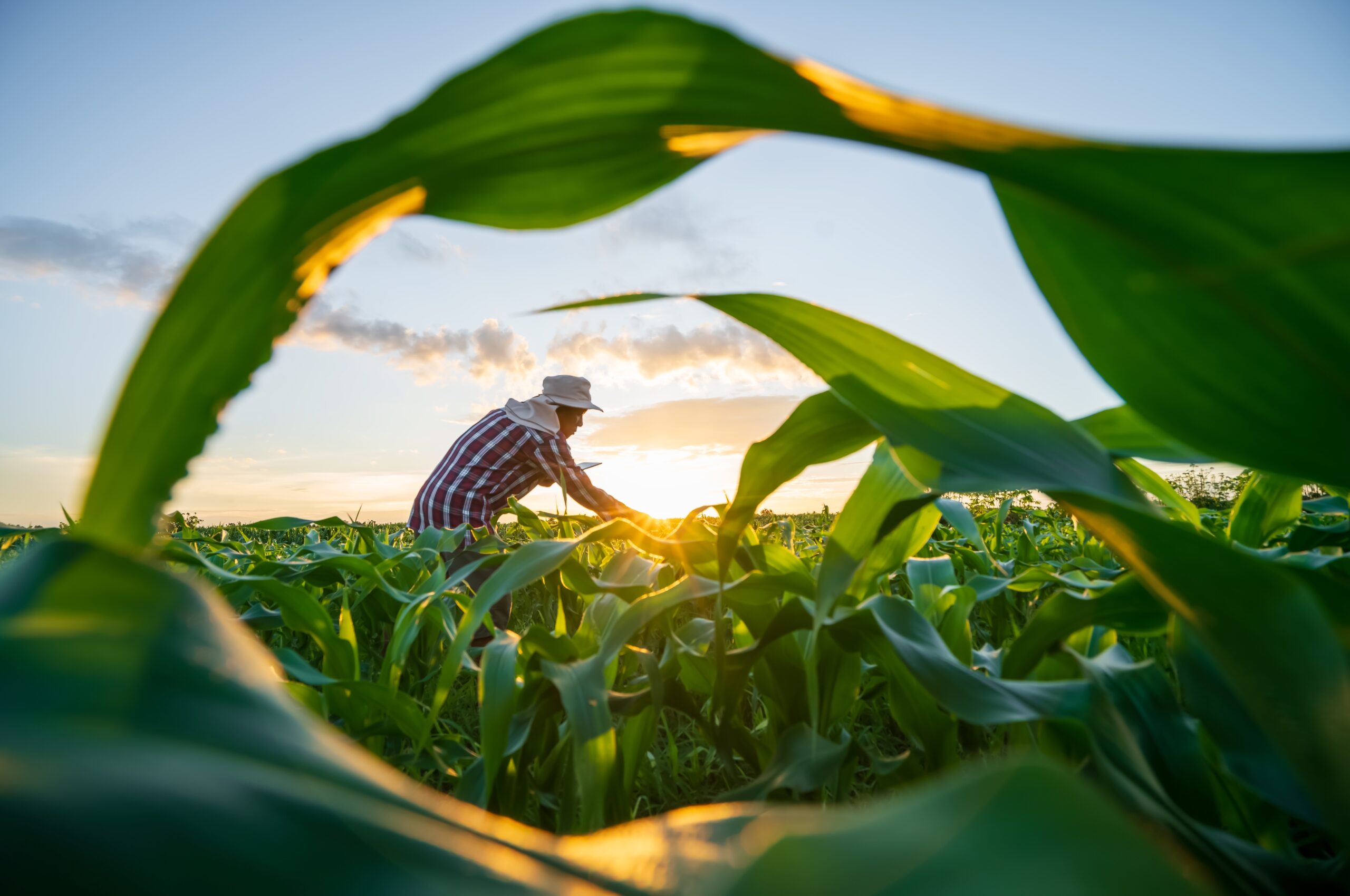
We aim to develop and deliver a portfolio of climate-resilient, market-preferred, and nutritious crops, livestock, and aquatic species that make food systems more productive, resilient, inclusive, and sustainable.
By leveraging breeding modernization, market intelligence, and strengthened partnerships, we will improve seed systems, boost agricultural productivity and resilience, reduce hunger, and enhance sustainability, particularly in the Global South.

Our work aims to help
- Reduce chronic hunger by 29%
- Address hidden hunger by 21%
- Create an economic surplus of US$ 182 billion
Where we will work in
Central and West Asia and North Africa, Latin America and the Caribbean, South and Southeast Asia, Sub-Saharan Africa
Challenges we’ll address
- Optimizing crops for mechanization, longer shelf-lives, simpler processing, and climate resilience to provide for the Global South’s growing populations
- Lowering agricultural costs without sacrificing nutrition
- Improve environmental sustainability
Sign up for news and updates
Areas of Work
-
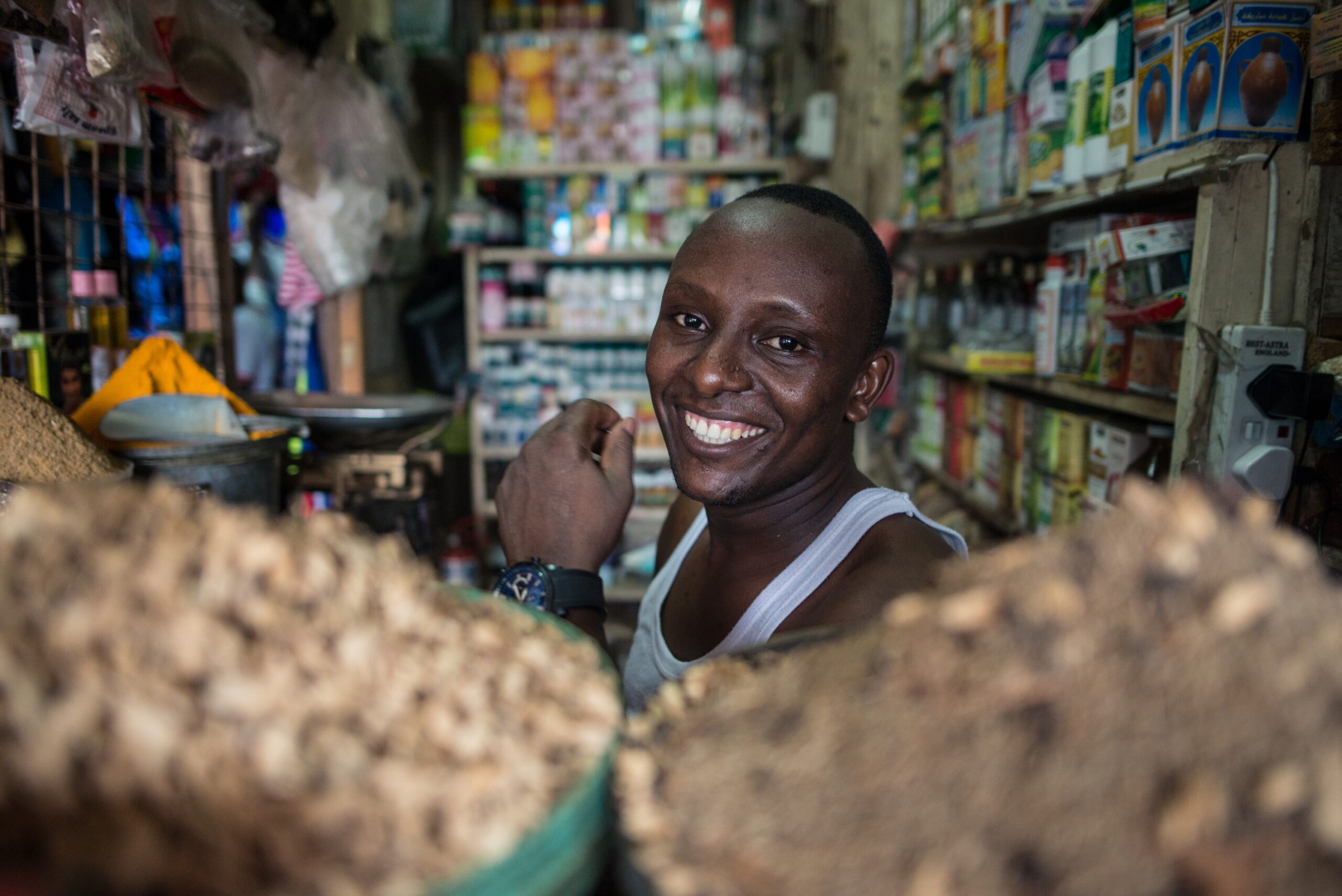 Market IntelligenceWe will optimize the return on investment by driving institutional innovation in product design and investment prioritization, which will support the development and delivery of climate-resilient, nutritious, and market-preferred products.
-
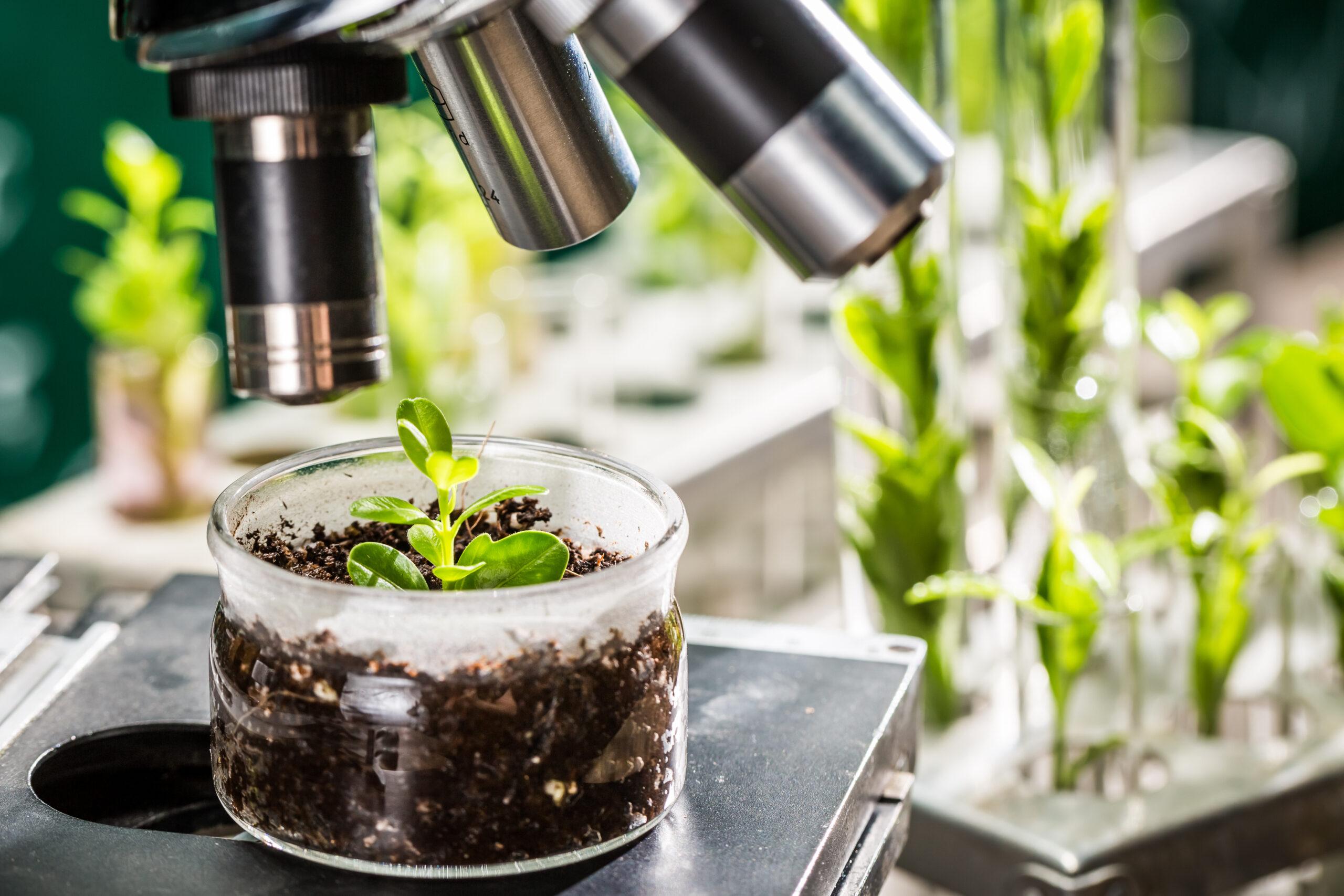 Accelerated BreedingWe will accelerate the development of a new generation of climate-resilient, nutritious, and market-preferred varieties. We will also steer efficient, sustainable, and fair breeding processes and collaborations.
 -
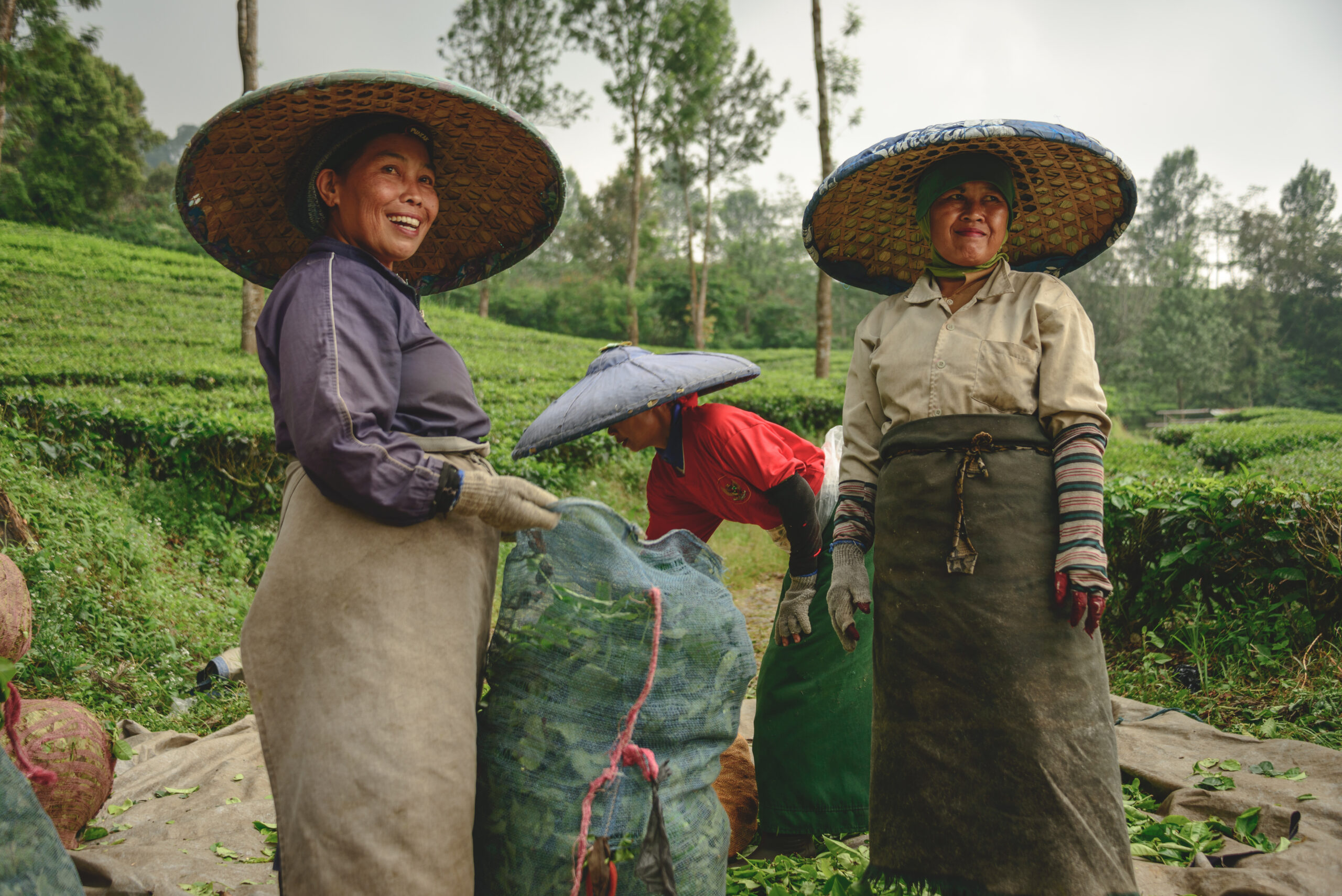 Inclusive DeliveryWe will accelerate the delivery of genetic gain to farmers’ fields in the Global South through robust, equitable and scalable dissemination systems resulting in strengthened food systems and improved livelihoods
 -
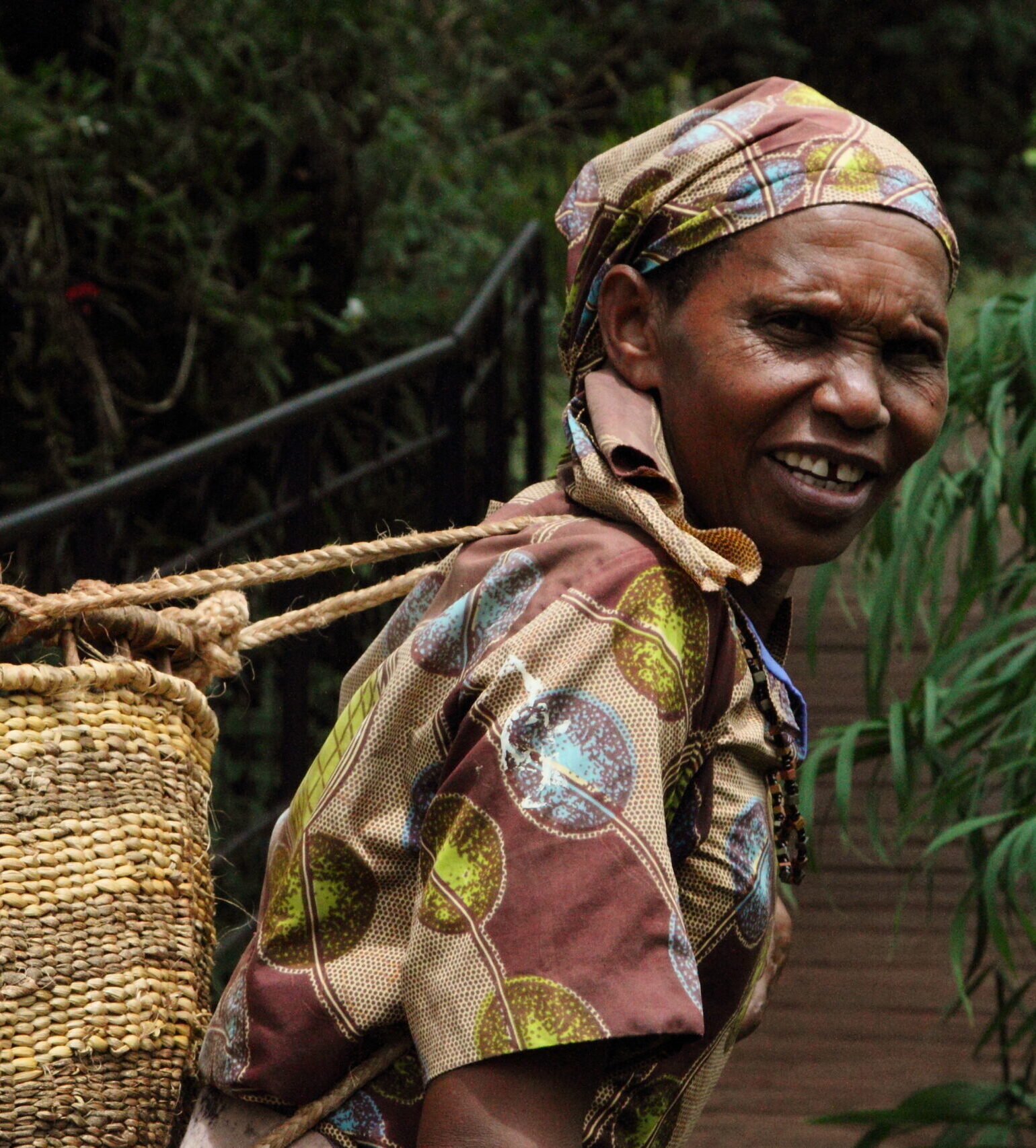 Breeding ResourcesWe will work to empower interconnected breeding programs by providing a portfolio of services, that enables breeders to access global technologies, knowledge, and innovations for maximum impact.
 -
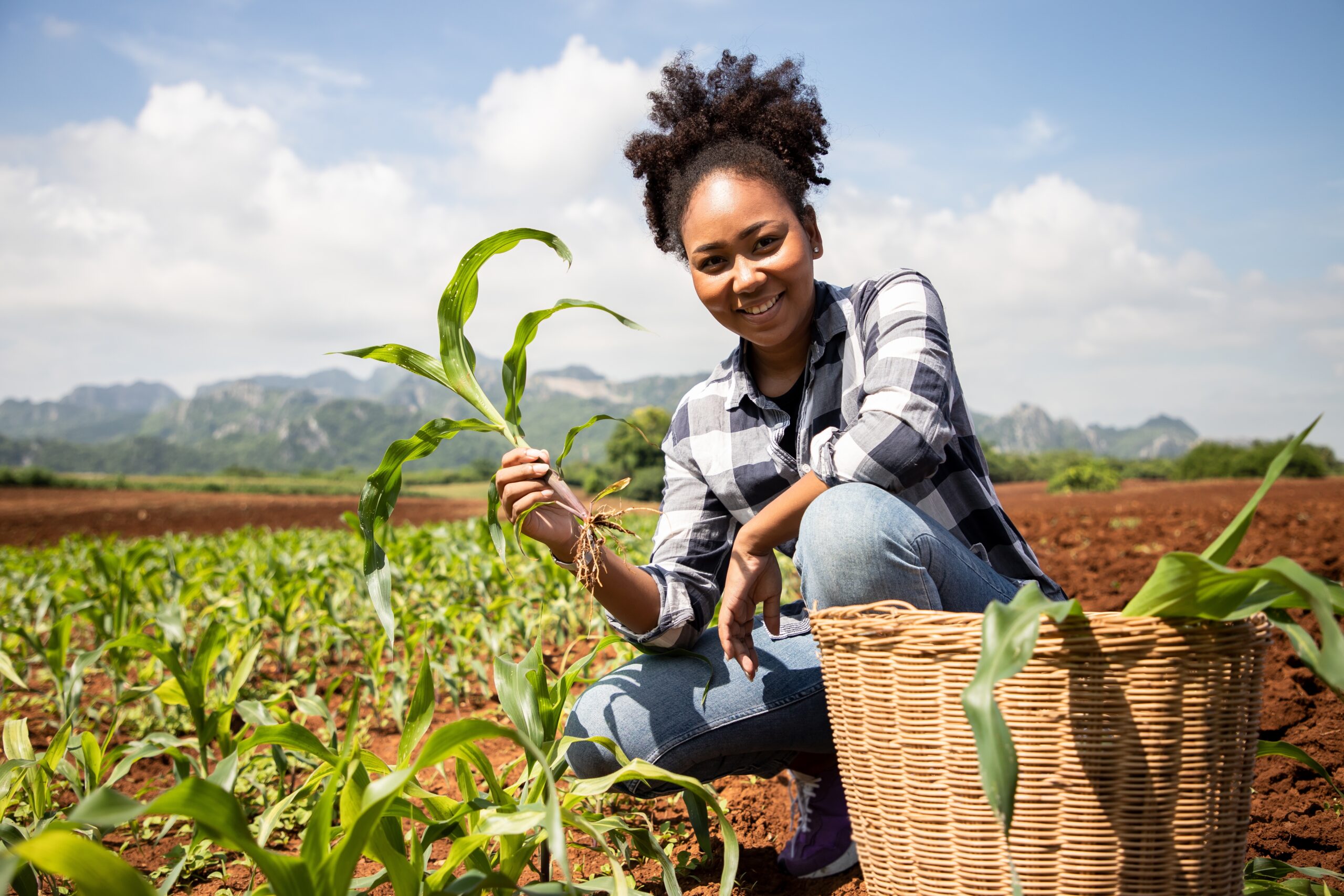 EnableWe will address the complex challenge of designing an effective and efficient coordination and support system across different functions, diverse partners, and dynamic priorities within global, national, and regional breeding and product delivery pipelines.
Gender & Social Inclusion
Breeding for Tomorrow will proactively engage women and other socially disadvantaged groups – such as the youth and indigenous communities – in their multiple roles as smallholders, seed-entrepreneurs, food producers, processors, traders, and consumers.
Our Approach
Interlinked support across CGIAR’s portfolio
We will work closely with the Better Diets and Nutrition, Climate Action, Genebanks, Policy Innovations, Scaling for Impact, Sustainable Animal and Aquatic Foods, Sustainable Farming programs, and the Capacity Sharing, Digital Transformation, and Gender Equality & Inclusion accelerators.
Working to share our capacity with
- National partners
- Non-partner countries, regions, and global platforms
- Scientists
Built on CGIAR’s proven expertise
- A global research infrastructure with an improved and diverse germplasm and direct access to its genebanks
- Established advanced breeding technologies
- A growing transdisciplinary expert network of globally renown international scientists, economists, breeders. climate change experts, and agronomists
- A trusted partner for local stakeholders across regions
- A strategic edge in delivering high-level outputs aligned with market and social needs
- A global, multi-product and multi-Impact Area mandate that allows us to set global standards for market intelligence and
- market-driven design of breeding products
News
-
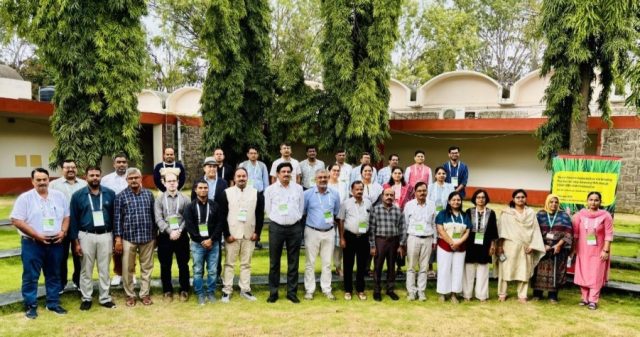
Less Is More in India’s Upcoming Rice Breeding Strategy
04.11.25-
Food security
Hyderabad, India (25 October 2025)—India is redefining how rice breeding responds to consumer and …
Read more -
-
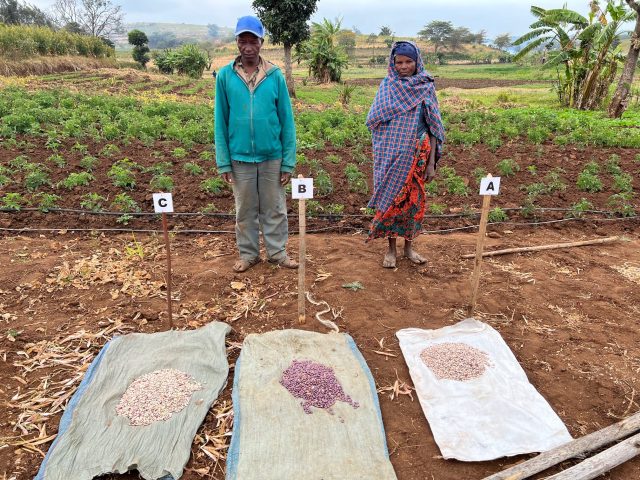
Farmers take the lead in shaping CGIAR crop innovations through the Tricot methodology
27.10.25When the rain finally came to her village in Tanzania, Mariam didn’t just plant her…
Read more -
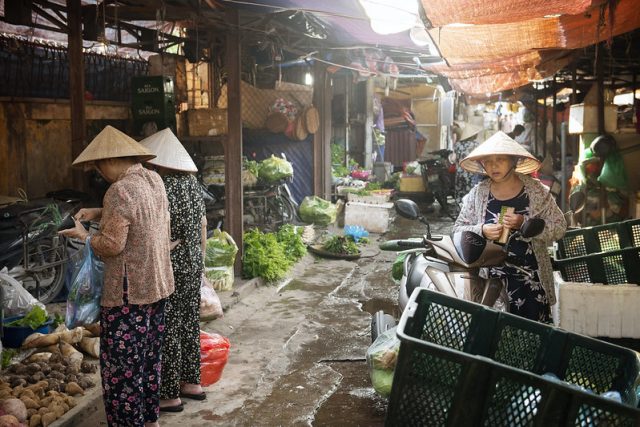
Getting quality seeds of improved varieties to every farmer: A conversation on CGIAR’s Inclusive Delivery approach
27.10.25How can we ensure that the improved, climate-resilient varieties developed by CGIAR and partners rea…
Read more -
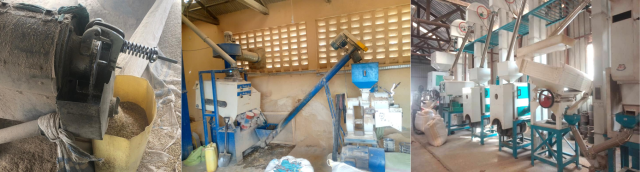
Advancing rice milling efficiency and quality in Uganda
27.10.25By Arelene Julia Malabayabas, Melanie Connor, Arielle Sandrine Rafanomezantsoa, Edgar Twine, Jane N…
Read more -
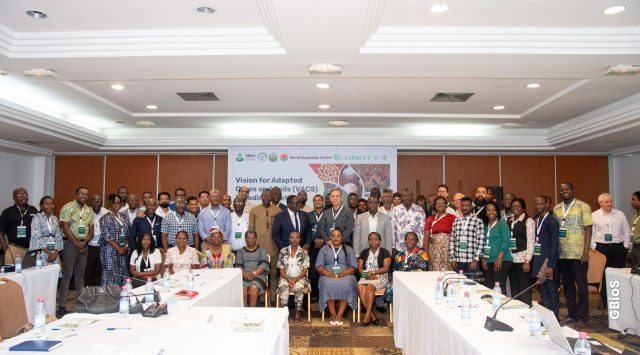
Extending the CGIAR Market Intelligence framework to the VACS crops
27.10.25By Pieter Rutsaert, Agnes Mbugua, Moti Jaleta, Kevin Pixley The Opportunity Crops and Soils moveme…
Read more -
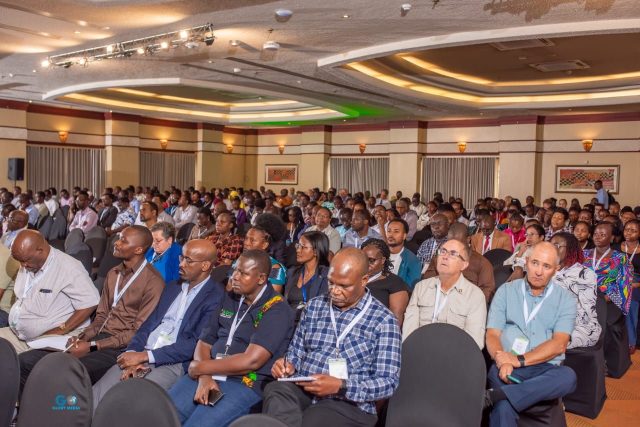
Breeding for Tomorrow strengthens collaboration with African partners at the 4th African Plant Breeders’ Association Conference
21.10.25This year’s 4th African Plant Breeders’ Association (APBA) Conference brought together more than…
Read more