
Looking back on 50 years of research to support safe, sustainable and healthy food for people and the planet.
The post Innovations for nutrition and growth appeared first onCGIAR.
The post Innovations for nutrition and growth appeared first on CGIAR.
]]>For 50 years, CGIAR and partners have produced world-changing research and innovations that have ended hunger and poverty for hundreds of millions of people. Our scientific advances have helped produce more food than ever for a growing global population. But in the face of 21st century challenges, there is still much work to be done.
The climate crisis poses challenges for more sustainable and resilient food systems that can withstand environmental shocks and stresses, while reducing emissions, protecting biodiversity and keeping resource use within planetary boundaries. Malnutrition, stunting and wasting, and a rise in diet-related issues like obesity, heart disease and other diet-related conditions point to a need for more equal, healthy food systems that can provide nutritious and affordable diets for all. And the COVID-19 pandemic highlights the importance of creating safe food systems that limit the spread of zoonoses, while caring for plant, animal, human and ecosystem health.
Ahead of the Nutrition for Growth Summit this month, explore a selection of CGIAR innovations for safe, healthy and sustainable food systems.
CGIAR @ N4G Summit 2021
Nutrition for Growth (N4G) is a global effort to bring together country governments, donors and philanthropies, businesses, NGOs and beyond. The N4G Year of Action is a rare opportunity to accelerate progress on malnutrition, beginning with a successful virtual launch hosted by the Governments of Canada and Bangladesh in December 2020.
CGIAR, the world’s largest agricultural research and innovation network, is a vital knowledge and science partner for nutrition action in food, land and water systems. Building on over half a century of scientific excellence and global partnerships, CGIAR’s new strategy and portfolio puts ending hunger and enabling access to safe, affordable, nutritious and healthy diets for all and the creation of sustainable food systems at the heart of agricultural research and innovation for development.
Follow our involvement at the N4G Summit.
#OneCGIAR #CGIAR4Nutrition
The post Innovations for nutrition and growth appeared first on CGIAR.
]]>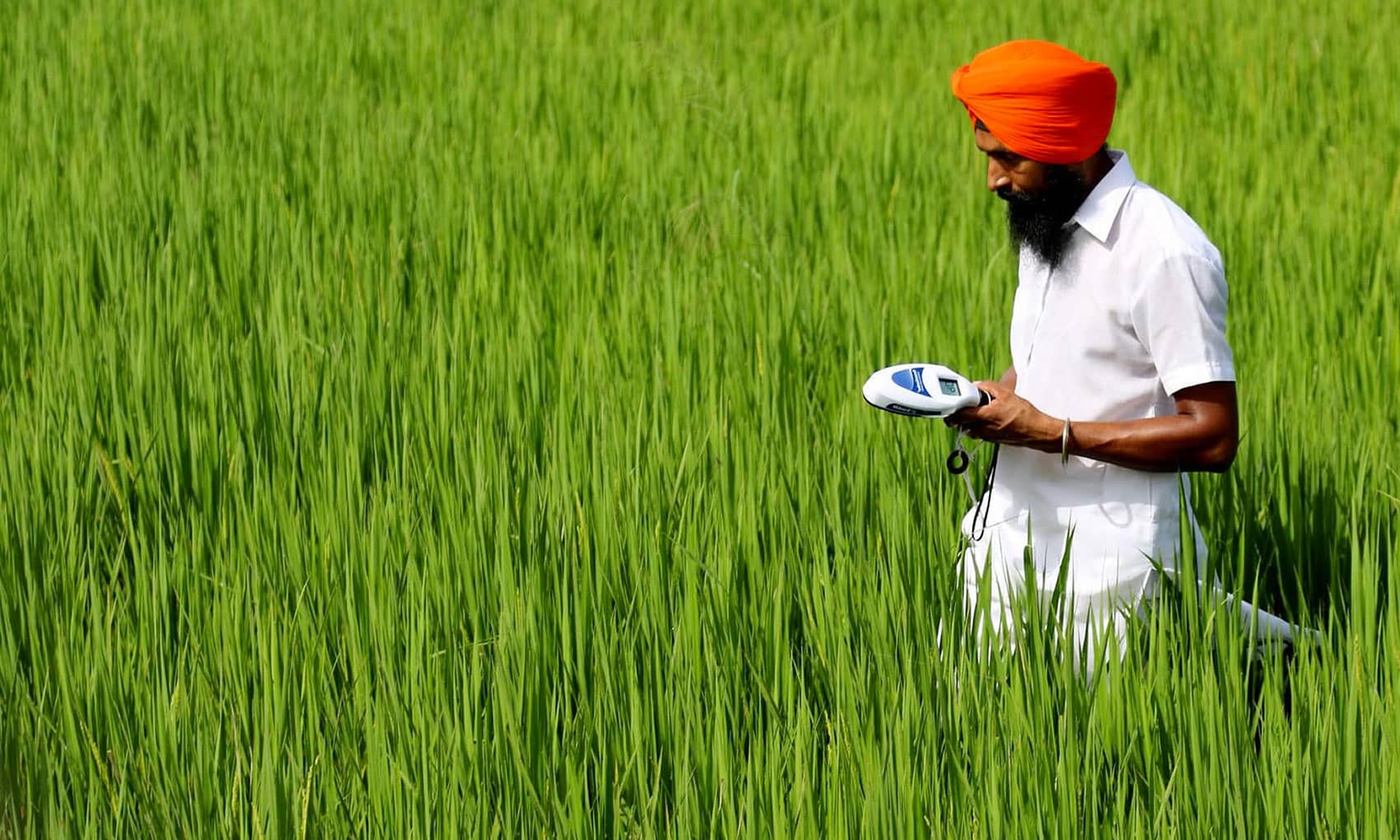
For 50 years, CGIAR innovations have helped to reduce poverty and hunger worldwide ...
The post Innovations for a climate crisis appeared first onCGIAR.
The post Innovations for a climate crisis appeared first on CGIAR.
]]>CGIAR, the world’s largest agricultural research and innovation network, is a vital knowledge and science partner for climate action in food, land and water systems. Building on over half a century of scientific excellence and global partnerships, CGIAR’s new strategy and portfolio put the climate crisis at the heart of agricultural research and innovation.
The post Innovations for a climate crisis appeared first on CGIAR.
]]>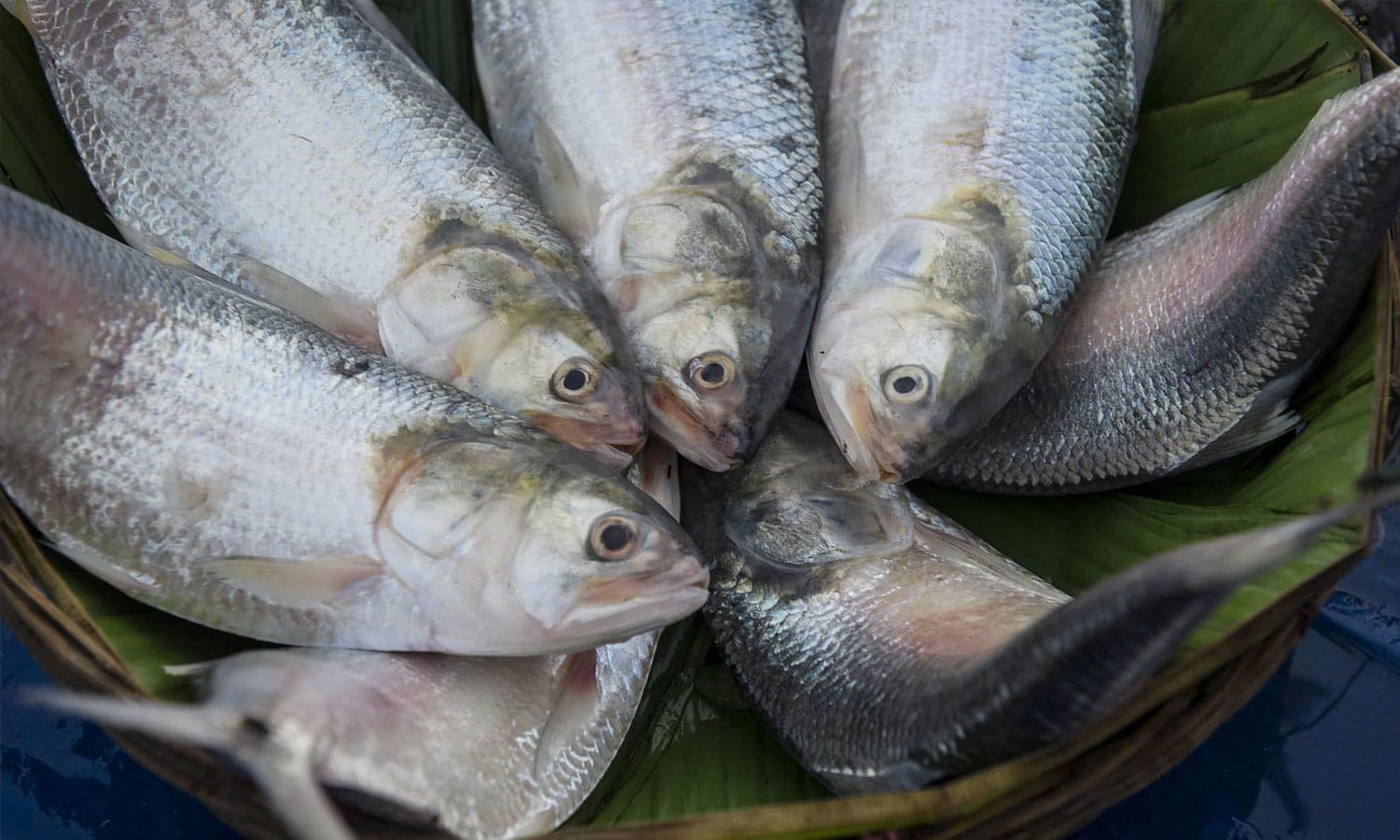
Over decades, CGIAR scientists have earned world recognition for their contributions to food and nutrition security.
The post Innovations to feed and nourish the world appeared first onCGIAR.
The post Innovations to feed and nourish the world appeared first on CGIAR.
]]>
As the world gathers to take action
on food systems, 50 years of CGIAR
research shows that science is key
to achieving the future we want
The post Innovations to change the world appeared first onCGIAR.
The post Innovations to change the world appeared first on CGIAR.
]]>
As the world strives for a better future, 50 years of CGIAR innovations show the power of science to transform food, land, and water systems in a climate crisis
The post Innovations to transform our food systems appeared first onCGIAR.
The post Innovations to transform our food systems appeared first on CGIAR.
]]>Our research is expanding to address wider 21st century challenges, recognizing that science to transform food systems – and the land and water systems on which they depend – is one of the most powerful tools we have to solve some of the world’s biggest problems.
CGIAR research over the decades has generated a median 10-fold return on investment, reaching 25-fold returns in mean terms. Through our established partnerships in low-income countries, we are uniquely positioned to benefit smallholder farmers and strengthen food systems for all. More investment is urgently needed in international agricultural research to achieve the future we want.
Explore below a selection of CGIAR innovations that changed the world.
The post Innovations to transform our food systems appeared first on CGIAR.
]]>

Fifty years of CGIAR innovations show the power of food systems to support livelihoods and end poverty.
The post Innovations for a brighter future appeared first onCGIAR.
The post Innovations for a brighter future appeared first on CGIAR.
]]>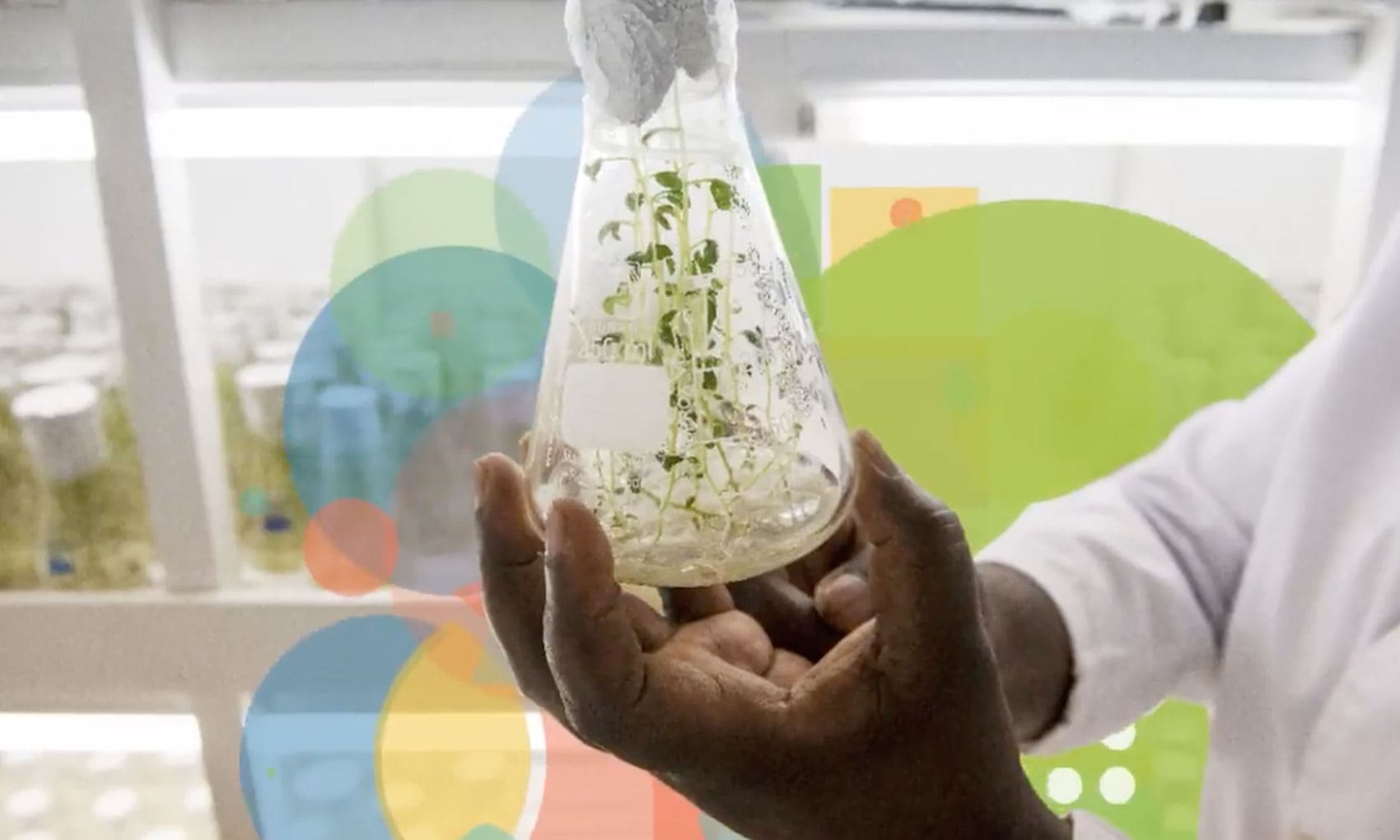
CGIAR’s original mission – to solve hunger – has expanded over the past 50 years. Our innovative research reveals human health to be part of a much bigger picture.
The post Innovations for a healthy world appeared first onCGIAR.
The post Innovations for a healthy world appeared first on CGIAR.
]]>The post Innovations for a healthy world appeared first on CGIAR.
]]>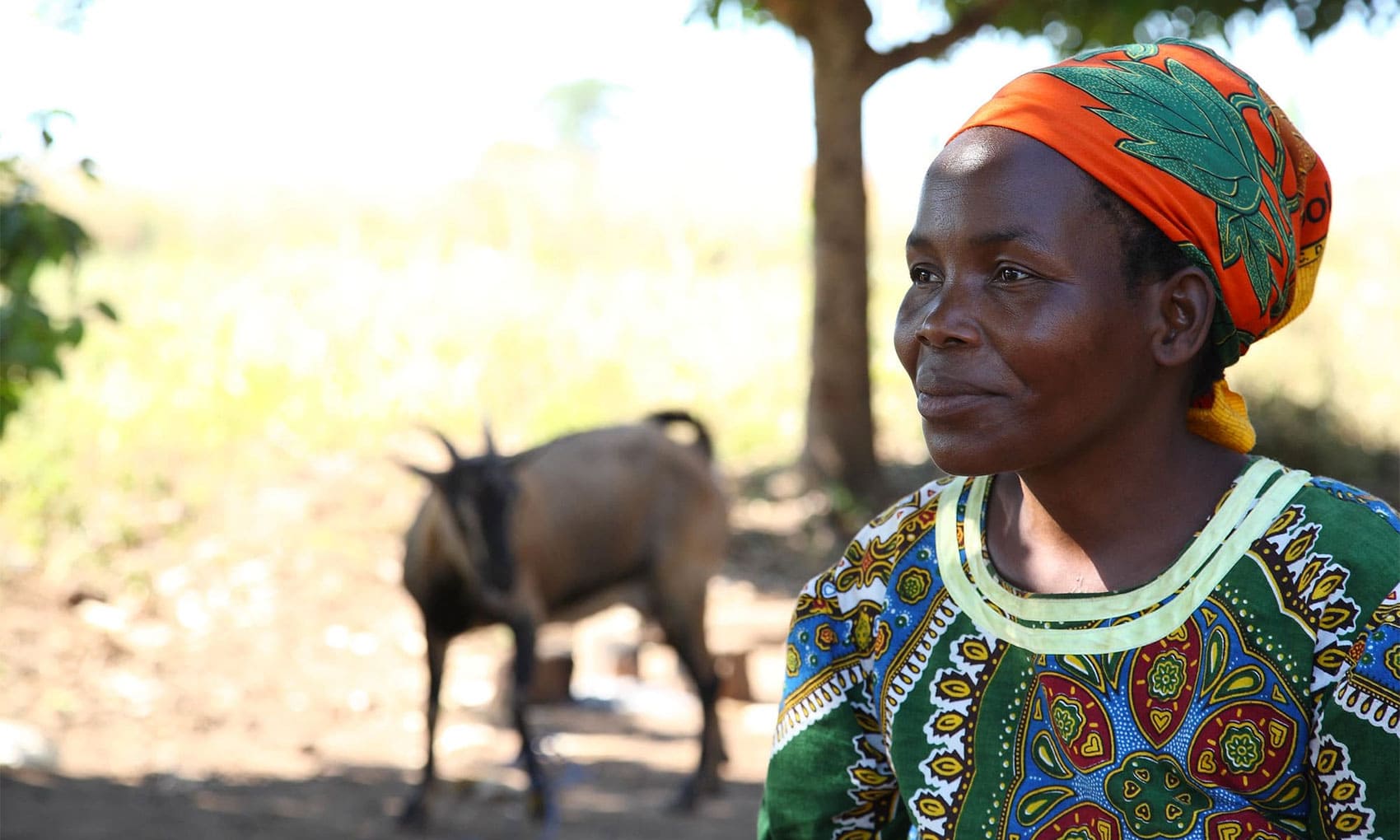
Women play multiple roles in the task of feeding the world. Yet their realities are often overlooked.
The post Innovations for gender equality appeared first onCGIAR.
The post Innovations for gender equality appeared first on CGIAR.
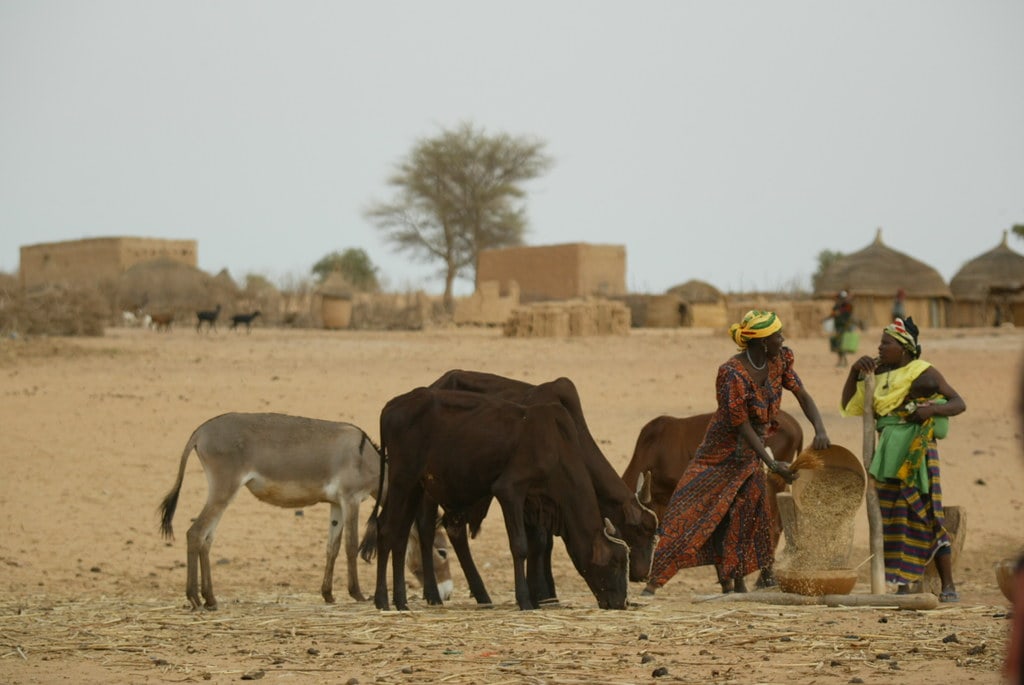
]]>Women are integral to food systems, playing multiple roles in the task of feeding the world. But even today, women are often excluded from agricultural development as their realities, preferences, and ambitions are overlooked. Their limited access to assets, opportunities, and decisions holds back entire societies.
Over the past 50 years, CGIAR has developed a number of breakthrough innovations that have contributed to progress toward gender equality, by bringing into the limelight the realities, preferences, and potential of women farmers, while breaking down the barriers that stand in the way of gender equality, now and for future generations.
[inlinetweet mention=”” hashtag=”#IWD2021 #ChooseToChallenge #CGIAR50 “]This International Women’s Day, CGIAR chooses to challenge and call out gender bias and inequality. Together, we can create a more inclusive world.[/inlinetweet]
If the world’s women and men food producers had equal access to resources, yields would increase and everyone would have more and better food. The number of hungry people could be reduced by 150 million.
21st century challenges
System shocks, such as COVID-19, may undo much of the gender-related progress made over the past decade. For women in developing countries, who struggled to meet the needs of their families before the pandemic, COVID-19 has made their situations even more untenable.
These upheavals are taking place against the backdrop of climate change, which affects women and men differently. Gender differences in roles, rights, and opportunities affect both women and men’s access to resources, participation in decision-making at all levels, mobility, and access to information and early warning systems.
Women tend to be stereotyped as victims of climate change impacts, while the root causes of gender inequalities that cause vulnerability are ignored. In a 2 °C (or more) world, gender equality hinges on giving more attention to women’s active roles in climate adaptation and mitigation.
Research and rights
Women have a right to the same opportunities and the same benefits from agriculture, natural resources, and food production as men. What’s more, only when both women and men are able to contribute to food systems equally can they successfully nourish families, communities and entire nations, today and in the future.
The CGIAR GENDER Platform, established in 2020, is designed to transform the way research is done, and to continue to accelerate efforts to make gender part of all agricultural science and innovation. It delivers thought leadership and develops evidence, methods and tools that support the entire research-for-development community to adopt gender–transformative approaches and practices. This renewed focus on gender research will be fundamental to realizing the ambitions of CGIAR’s five new impact areas, one of which is gender, youth and social inclusion.
The post Innovations for gender equality appeared first on CGIAR.
]]>