The post Acquia DAM portal embed appeared first on CGIAR.
]]>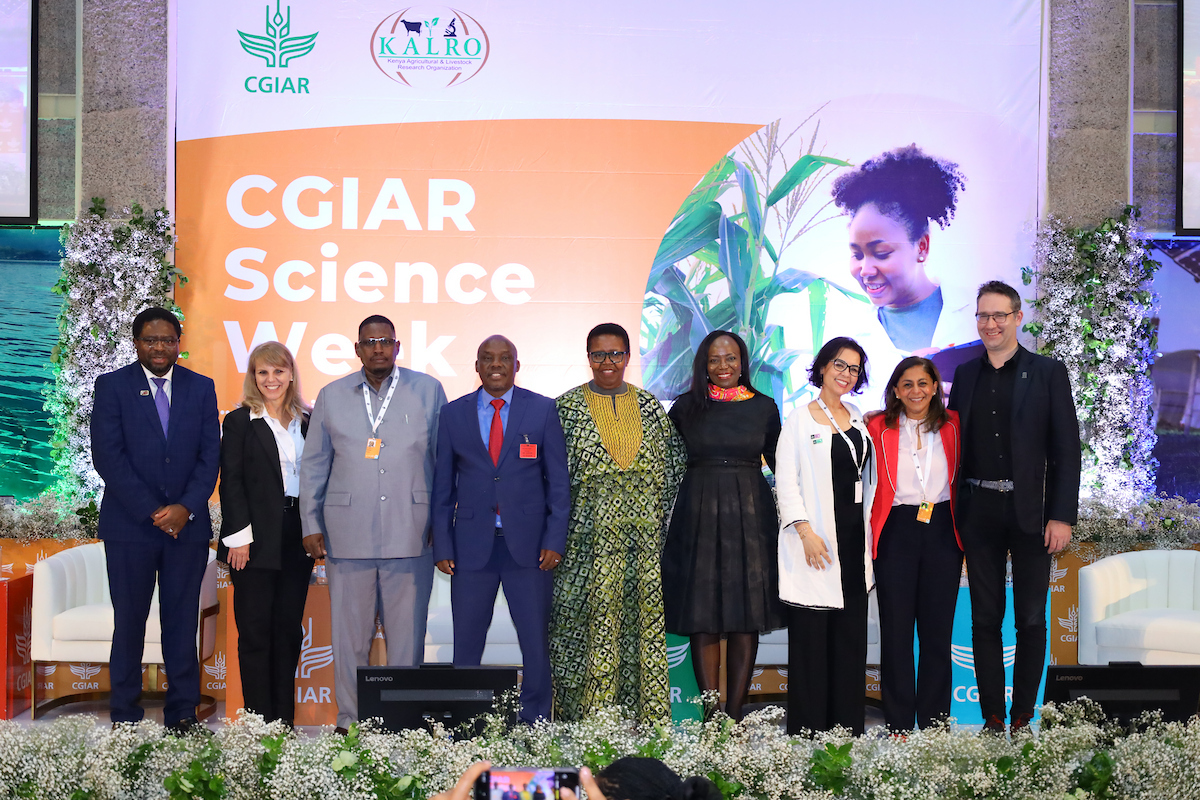
11th April, Nairobi, Kenya: After a remarkable week of science, innovation, and cementing of partnerships, CGIAR’s inaugural Science Week wrapped up at the official closing ceremony led by Ismahane Elouafi, Executive Managing Director, CGIAR, and Eliud Kireger, Director General, Kenya Agricultural & Livestock Research Organization (KALRO). “Over the past days, we’ve explored groundbreaking research, forged […]
The post Harvesting Collaboration for Food Security. Science Week Closes. appeared first onCGIAR.
The post Harvesting Collaboration for Food Security. Science Week Closes. appeared first on CGIAR.
]]>
“Over the past days, we’ve explored groundbreaking research, forged new collaborations, and reaffirmed our commitment to creating sustainable, resilient, and equitable food systems. The dialogues and connections fostered here will undoubtedly propel our shared mission forward,” said Ismahane Elouafi, Executive Managing Director, CGIAR
CGIAR Science Week, co-hosted by KALRO, underscored the transformative power of science when coupled with strategic partnerships. Throughout the event, collaboration took center stage as participants shared technologies and insights and discussed the further development of groundbreaking innovations that have the potential to revolutionize agri-food, land, and water systems – making them more resilient, sustainable, and equitable. The discussions and showcasing of science that took place not only illuminated the path forward but reaffirmed a collective commitment to a food-secure future.
“Through frank debate and presentation of pioneering innovation, Science Week highlighted both the successes we can build on, and the gaps that we are now better positioned to address. The conversation doesn’t end here. This is just the beginning.” Eliud Kireger, Director General, KALRO.
Over the week, several key achievements took place:
- The CGIAR Research Portfolio was launched – an ambitious and collaborative endeavor that builds on 50 years of science and partner networks to shape and focus our vision more sharply than ever through clear parameters and targets.
- CIMMYT and IICA signed an agreement that leverages science, technology, and collaboration to accelerate agricultural innovation and economic growth in the Americas by supporting farmers and agribusinesses.
- CIP and KALRO signed a Licensing Agreement to transfer biotech for a potato resistant to late blight, reducing the need for chemical inputs while improving productivity and resilience. Significantly, it puts the development of future innovation into the hands of farmers themselves.
- The IWMI Strategy 2024 – 2030 was launched – a roadmap for research and innovation that will enhance water security throughout East Africa
- CGIAR and AGRA signed an MOU to accelerate agricultural innovation and delivery across Africa, scaling ideas, strengthening country systems, and providing smallholder farmers with new and affordable technology.
- The CGIAR Flagship Report was released. Designed for decision-makers in low- and middle-income countries and regional bodies engaged in national, regional, and global processes, the report turns CGIAR science into actionable, evidence-based solutions to support better decisions and smarter investments.
By building on the momentum of Science Week, CGIAR will drive tangible benefits for communities worldwide by strengthening ties with partners and funders, ratifying new agreements, and developing and scaling the innovations presented.
“Strategic gatherings like Science Week help chart pathways for how we build sustainable and resilient food systems in the future. With one-third of the global population remaining food insecure, and mounting challenges ahead, science must be at the heart of accelerating the urgent solutions we seek,” said H.E. Amina J. Mohammed, Deputy Secretary-General of the United Nations
However, a key topic throughout the week was the need to sustain and grow investment streams for agricultural research amid a challenging funding landscape. Numerous studies, including those carried out by CGIAR, clearly demonstrate that agricultural research increases production, efficiency, and sustainability. Yet, often, science budgets are the first to be cut during periods of economic uncertainty.
“Every $1 invested in CGIAR delivers $10 in benefits. Be it for the sustainability of our planet or out of simple economic sense, investing in CGIAR Centers and working ever more closely together is one of the smartest investments we can make. In our future, for our future,” said Juergen Voegele, Vice President for Sustainable Development at the World Bank
The world is at a crossroads and cannot meet complex and interconnected challenges without transforming food, land, and water systems. Yet with the right investment, agriculture, as outlined in the CGIAR Investment Case, has the potential to be humanity’s biggest solution to global agri-challenges. Investments of $4bn over 2025-2027 are urgently needed to unlock the power of science and innovation to tackle climate change, increase productivity, and help address the pressing challenges of today.
By gathering stakeholders, policymakers, experts, innovators, and farmers in one place, Science Week made great inroads into advancing these vital themes. At a time when global food security and nutrition is under grave threat, Science Week reaffirmed that science, when guided by purpose and delivered through strong partnerships, has the power to transform our food, land, and water systems to tackle agricultural challenges, proving that strength lies in collaboration to turn insights into action, and action into impact.
The post Harvesting Collaboration for Food Security. Science Week Closes. appeared first on CGIAR.
]]>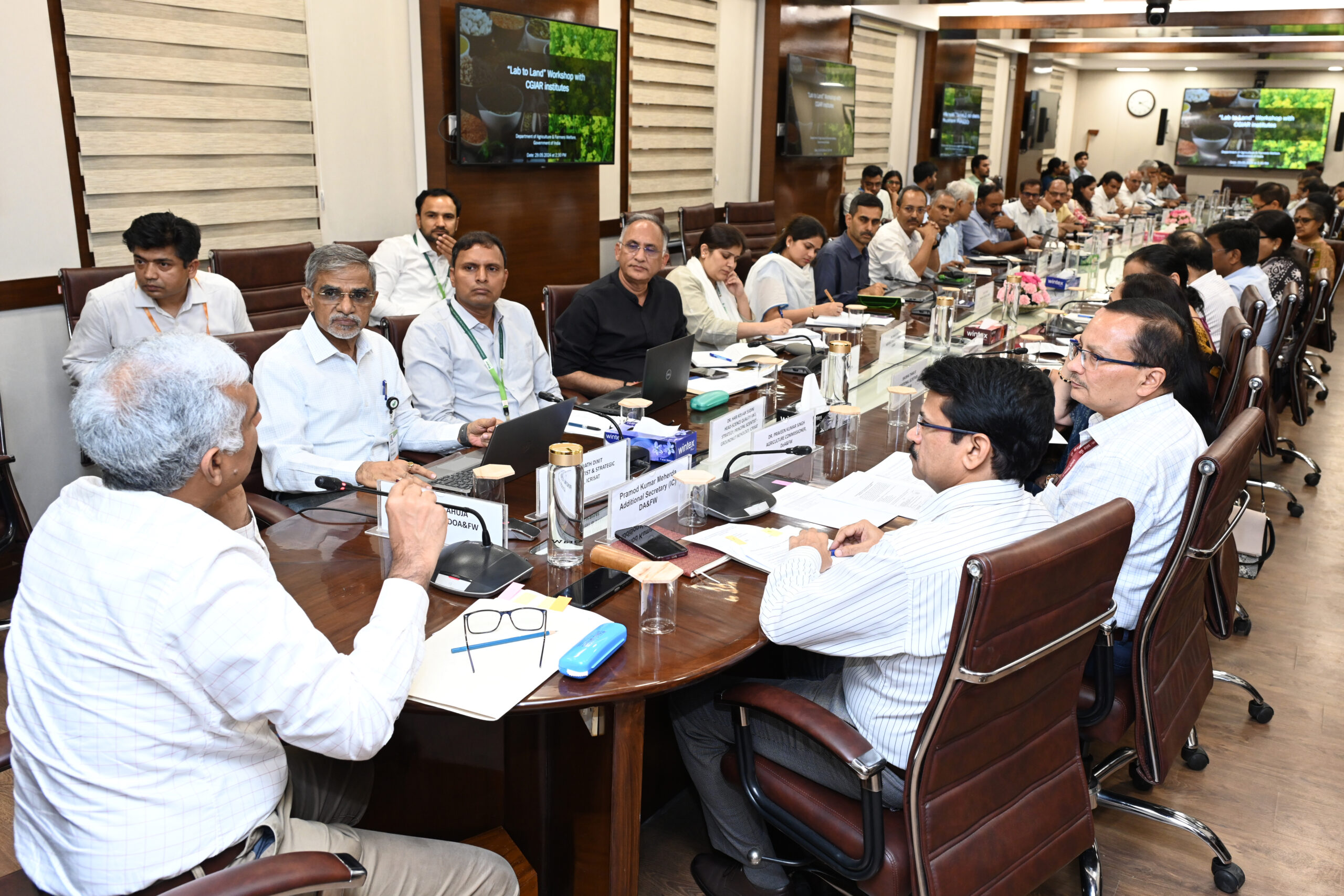
The Government of India recently hosted a significant workshop that brought together representatives from CGIAR centers across India to showcase groundbreaking technologies and innovations ready for immediate scaling, with the goal of aligning these innovations with India’s existing priorities and plans to support the national agenda for agri-food systems transformation. Building on the success of […]
The post Bridging Innovation and Implementation: A Collaborative Leap Forward with the Government of India in Transforming Agriculture appeared first onCGIAR.
The post Bridging Innovation and Implementation: A Collaborative Leap Forward with the Government of India in Transforming Agriculture appeared first on CGIAR.
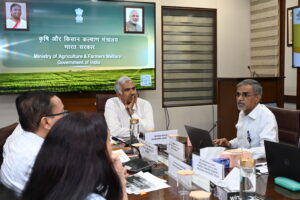
]]>Building on the success of last year’s meeting, this workshop further solidified the partnership between CGIAR and the Government of India. Organized for the second time in two years, it highlights the Government of India’s recognition of the value in collaborating with CGIAR to bring global technologies that address local agricultural challenges. Chaired by Mr. Manoj Ahuja, Secretary to the Government of India, Ministry of Agriculture & Farmers Welfare, the event marked a significant step in CGIAR’s evolving relationship with the Government of India. The active participation of additional and joint secretaries from the Department of Agriculture and Farmers Welfare (DA&FW) underscored a strong commitment to leveraging international expertise and the collective strength of CGIAR centers to drive agricultural transformation in India.
Building on last year’s momentum
The workshop began with a detailed presentation by the respective additional and joint secretaries from various departments on the status of technologies selected from the previous year’s meeting. Mr. Ahuja highlighted the significant progress made, stating, “We have benefitted significantly from last year’s interactions, adopting many of the technologies. CGIAR’s flexibility allows rapid implementation with fewer barriers, bringing these innovations to farmers swiftly.”
Consistent with CGIAR’s commitment made during the Listening Sessions, the attendees engaged in candid discussions on enhancing collaboration between CGIAR and DA&FW. They focused on improving their partnership, identifying existing roadblocks, and developing strategies to overcome them. This aligns with CGIAR’s dedication to being a more effective partner and underscores DA&FW’s initiative to ensure the successful delivery and scaling of these technologies.
Highlights of this year’s workshop
Technologies developed by CGIAR institutes in India, globally, or in collaboration with the National Agri Research System (NARS), were thoroughly discussed for their readiness and potential impact. The aim was to provide input into DA&FW’s 100-day plan, identify specific technologies for immediate and near-future scaling, and discuss potential geographies and timelines for deployment.
The workshop provided a platform to present technologies and innovations meeting several critical criteria: successfully piloted and tested technologies, innovations ready for scaling up, scalable and impactful innovations providing economic benefits to farmers, and digital or GIS-based technologies that enhance efficiency and promote climate-smart agriculture. Technologies spanning crop improvement, digital agriculture, seed systems, climate mitigation and adaptation and natural resource management were showcased by CGIAR centers in India, including Alliance, CIMMYT, CIP, ICARDA, ICRISAT, ILRI, IRRI, and IWMI. These innovations, already at the pilot stage and tested in the CGIAR network, could begin scaling in India within the next 12-18 months.
Medium-term technologies, currently at the research and inception stage or tested elsewhere in the CGIAR network, were also presented. These could be piloted in India within the next 24-36 months. Attendees were deeply engaged, asking pertinent questions and expressing strong interest in making this workshop an annual event. “Sharing information on international crop advancements and knowledge within a 1-3 year horizon is essential. Additionally, we need to know about the states we are working in to ensure coordinated efforts,” Ahuja emphasized.
Planning for the future
Temina Lalani-Shariff, the Regional Director for South Asia, emphasized the importance of these partnerships. “Being able to draw from the global breadth of innovations available across CGIAR allows us to respond effectively to India’s agricultural priorities and goals. This unique capability enables us to make significant and impactful difference in the Indian agricultural sector with greater efficiency,” she said.
The consensus for an annual workshop was strong. “Starting the year with this meeting can set the tone for our activities. This meeting should be concise and focused, providing an overview of the work. This approach allows us to identify the technologies that the respective departments and secretaries are interested in, facilitating further discussion and scaling,” Ahuja suggested.
The workshop encouraged open dialogue, enabling representatives to address their questions and seek necessary information. Sreenath Dixit, the country convenor for India for CGIAR, facilitated the discussions, ensuring a smooth exchange of ideas. A proposal was put forth to form a committee for continuous engagement between CGIAR and DA&FW, promoting ongoing collaboration.
Conclusion and future steps
The workshop concluded with a strengthened sense of direction and a roadmap for the future. The technologies presented were not just innovations; they were solutions ready to address the challenges faced by farmers across India.
Sreenath summarized the day’s essence, “Today’s discussions highlighted that combining our efforts, knowledge, and resources can significantly enhance the agricultural sector. This is just the beginning. It was an excellent collaborative opportunity for all CGIAR centers to work together, plan effectively, and ensure that each center’s voice is heard. This underscores the importance of our collective efforts.”
With a strong foundation and commitment to continuous improvement, the innovations from this workshop are set to make a significant contribution to agricultural advancement in India.
The post Bridging Innovation and Implementation: A Collaborative Leap Forward with the Government of India in Transforming Agriculture appeared first on CGIAR.
]]>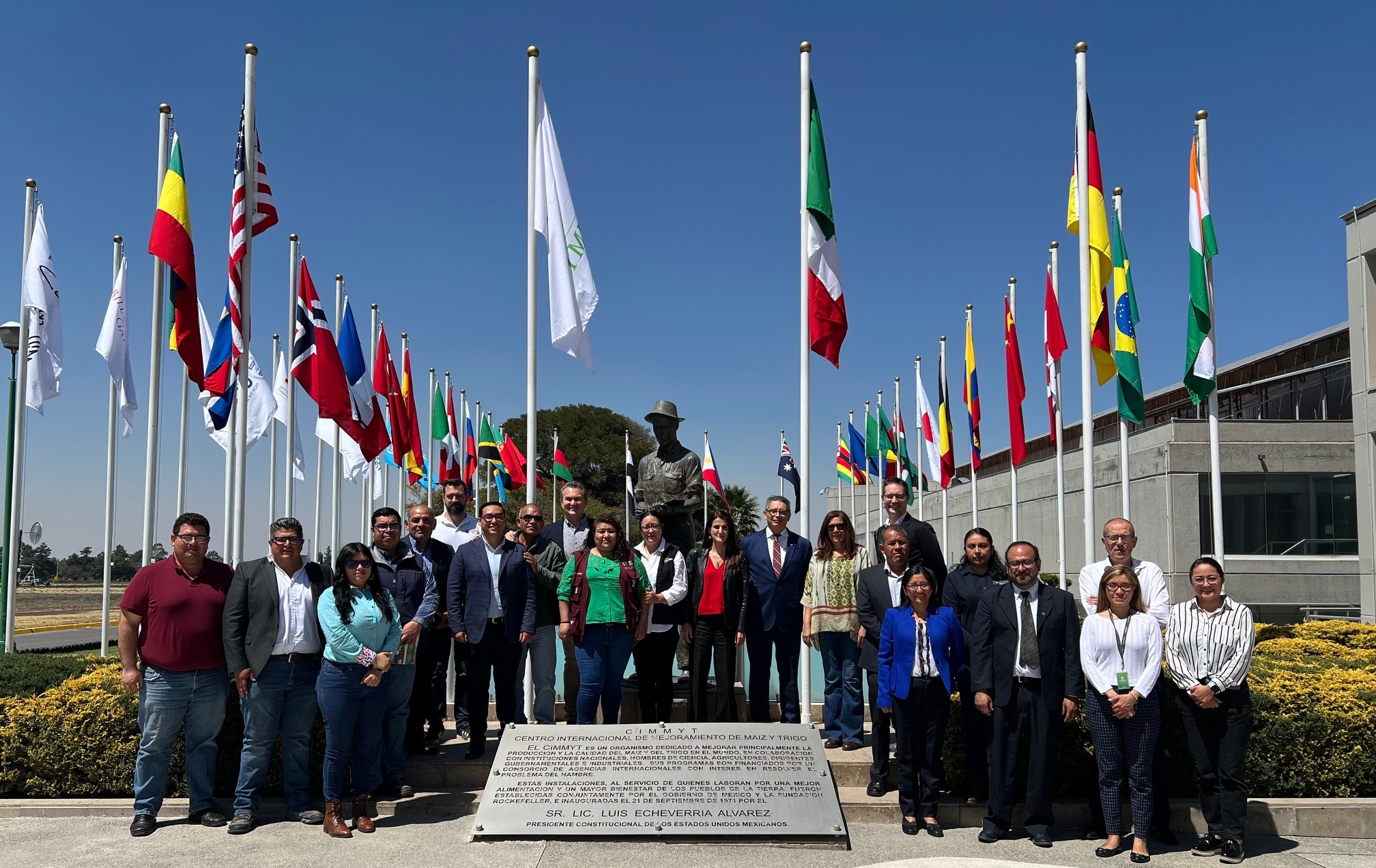
Sesión con instituciones académicas y de investigación, y organizaciones internacionales. Sede del CIMMYT, Texcoco, México. ©CIMMYT Por Joaquín Lozano, Director Regional para América Latina y el Caribe del CGIAR En los últimos tres meses, los equipos de país y regionales del CGIAR de todo el mundo han hecho grandes esfuerzos para preparar, llevar a cabo […]
The post Escuchar para impulsar la investigación e innovación agrícola del CGIAR y alcanzar sistemas alimentarios sostenibles, inclusivos y equitativos en América Latina y el Caribe appeared first onCGIAR.
The post Escuchar para impulsar la investigación e innovación agrícola del CGIAR y alcanzar sistemas alimentarios sostenibles, inclusivos y equitativos en América Latina y el Caribe appeared first on CGIAR.
]]>Por Joaquín Lozano, Director Regional para América Latina y el Caribe del CGIAR
En los últimos tres meses, los equipos de país y regionales del CGIAR de todo el mundo han hecho grandes esfuerzos para preparar, llevar a cabo y analizar los resultados de lo que hemos llamado Sesiones de Escucha con nuestros colaboradores en casi 30 países.
En América Latina y el Caribe, la primera ronda de sesiones se ha desarrollado en Perú, Colombia y México. Fueron organizadas y convocadas conjuntamente por nuestros centros respectivos: CIP (Centro Internacional de la Papa), Alianza de Bioversity International y el CIAT (Centro Internacional de Agricultura Tropical), CIMMYT (Centro Internacional de Mejoramiento de Maíz y Trigo) y la Oficina Regional para América Latina y el Caribe del CGIAR.
En estas sesiones, escuchamos hablar a nuestros socios acerca de lo que se necesita, desde su perspectiva, para construir sistemas alimentarios sostenibles, inclusivos y equitativos en toda la región; de cómo puede contribuir América Latina y el Caribe a las soluciones globales; y de cómo podemos fortalecer nuestra colaboración para lograr un mayor impacto.
Ciertamente, este ha sido —y sigue siendo— un ejercicio fascinante. Sus aportes serán muy valiosos para dar forma a la siguiente fase de la cartera de investigación e innovación del CGIAR, que se implementará a partir de 2025. Además, nos ayudarán a orientar nuestra estrategia de alianzas y colaboración a largo plazo.
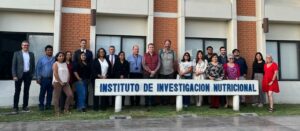
Sesión con investigadores. Sede del Instituto de Investigación Nutricional, Lima, Perú. ©CIP
La genuina colaboración ha sido una de las características más destacadas del CGIAR desde su fundación hace más de medio siglo. Ahora, en un mundo cada vez más interconectado y que afronta problemáticas cada vez más complejas, es oportuno poner en marcha un ejercicio formal y sistematizado de diálogo e intercambio. Es una experiencia que podría ampliarse en un futuro próximo para mantener el flujo de la comunicación.
Por lo tanto, estas sesiones buscan alimentar no solamente nuestro diseño de programas de investigación y soluciones específicas, precisas y adaptadas al desafío de alimentar, en un contexto del cambio climático, a una población creciente; sino también explorar en profundidad las prioridades de actores clave que reconocen el valor singular del CGIAR.
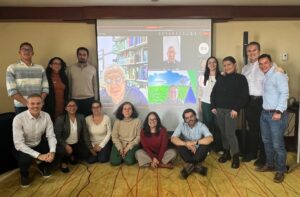
Sesión con instituciones académicas y de investigación públicas y privadas. Bogotá, Colombia. ©CIAT
Como dijo uno de los participantes en la sesión de Colombia, “el tema de las áreas prioritarias de nuestro país es particularmente importante. Es esencial comprender estas prioridades desde la perspectiva de la demanda en lugar de desde la perspectiva de la oferta.”
Otro participante en México dio en el clavo al afirmar: “(yo pienso) que la meta es fomentar la comprensión del trabajo de cada uno, promover la colaboración, evitar la duplicación de esfuerzos, reproducir las prácticas y tecnologías exitosas y generar proyectos que tengan un impacto real.”
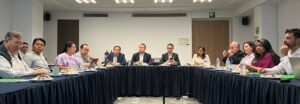 Sesión con autoridades federales, estatales y legislativas. Sede del CIMMYT, Texcoco, México. ©CIMMYT
Por supuesto, las perspectivas de nuestros socios varían. Un productor de Perú señaló que “es esencial contar con el apoyo de los investigadores para generar pruebas del impacto positivo de nuestras prácticas que supongan un apoyo a nuestras actividades de incidencia con los gobiernos.”
Justamente, uno de los objetivos de estas Sesiones de Escucha ha sido extraer de estas diferentes perspectivas líneas de acción comunes que puedan orientar nuestras actividades de investigación.
En el caso de la región de América Latina y el Caribe, este objetivo tiene no solamente un significado regional, sino también implicaciones globales. Como hemos destacado en los últimos meses, América Latina tiene un potencial increíble no solamente para alimentar a su propia población, sino también para contribuir de manera importante a la seguridad alimentaria mundial.
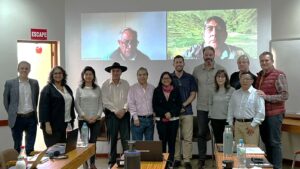 Sesión con la sociedad civil y organizaciones de productores. Sede del CIP, Lima, Perú. ©CIP
Ha sido un privilegio para mí co-organizar y asistir en persona a todas las sesiones iniciales que han tenido lugar en la región. Han sido eventos realmente inspiradores gracias al tiempo que nos han dedicado los representantes de instituciones de investigación nacionales y el mundo académico, los gobiernos, el sector privado, los pequeños productores, la sociedad civil y diversas organizaciones internacionales, y los profundos intercambios mantenidos.
Estamos ahora inmersos en el proceso de revisar y sistematizar los abundantes resultados de estos intensos diálogos. Esto nos ayudará a seguir construyendo una agenda de investigación e innovación agrícola regional cada vez más integrada.
Muchísimas gracias a mis colegas Simon Heck, Juan Lucas Restrepo, Bram Govaerts y sus maravillosos equipos en los centros que lideran -respectivamente: CIP, la Alianza y CIMMYT.
Quiero destacar especialmente a Stef de Haan, Javier Ochoa, Joe Tohme, Natalia Ortiz, Deissy Martinez Barón, Luz Adriana Muñoz, Jelle Van Loon, Daniela Vega, Edith Robledo y Alberto Iturria, quienes, junto con Temina Lalani-Shariff, Aymé Muzo, Ismael Erriest y Lilia Salinas, aseguraron el gran éxito de este ejercicio.
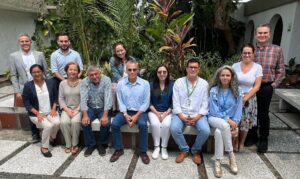 Sesión con gobiernos locales, academia y organizaciones internacionales. Campus de la Alianza de Bioversity International y el CIAT, Palmira, Colombia. @CIAT
The post Escuchar para impulsar la investigación e innovación agrícola del CGIAR y alcanzar sistemas alimentarios sostenibles, inclusivos y equitativos en América Latina y el Caribe appeared first on CGIAR.
]]>